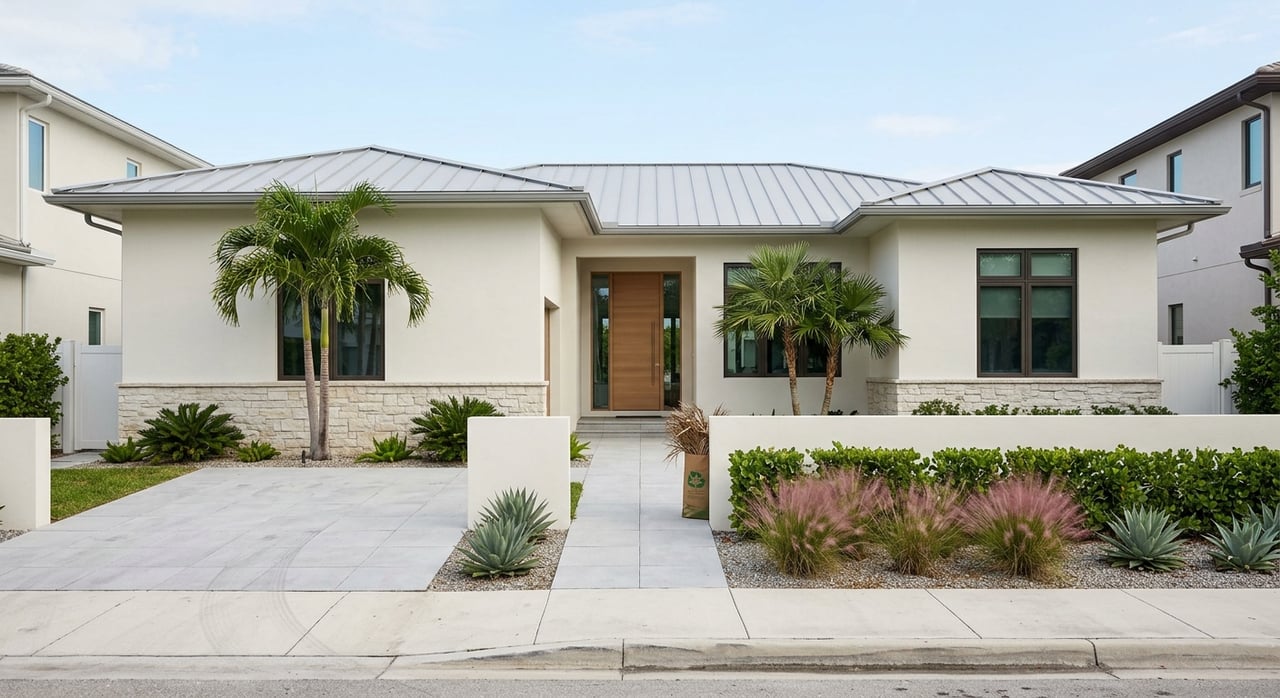
Trying to decide between a closer-in Tampa neighborhood and a more suburban setup? You are not alone, and in Tampa, the answer is rarely as simple as city versus suburb. The area offers everything from downtown condo living to larger-lot neighborhoods with a quieter, car-centered routine. This guide will help you compare commute patterns, housing style, daily convenience, and long-term planning factors so you can choose the Tampa lifestyle that fits you best. Let’s dive in.
Tampa Living Is Not One-Size-Fits-All
Tampa’s own planning and neighborhood materials show that the area works more like a spectrum than a hard split. You will find urban, traditional, suburban, contemporary, and even rural neighborhood patterns across the city.
That matters because a Tampa address can feel very different depending on where you land. Downtown, Channelside, and Harbor Island fit a more urban pattern, while Hyde Park, Ybor City, Tampa Heights, Seminole Heights, and Palma Ceia reflect a more traditional neighborhood form. Areas like Beach Park, Forest Hills, and Virginia Park are examples of suburban-style neighborhoods, even though some sit within city limits.
What In-Town Tampa Usually Feels Like
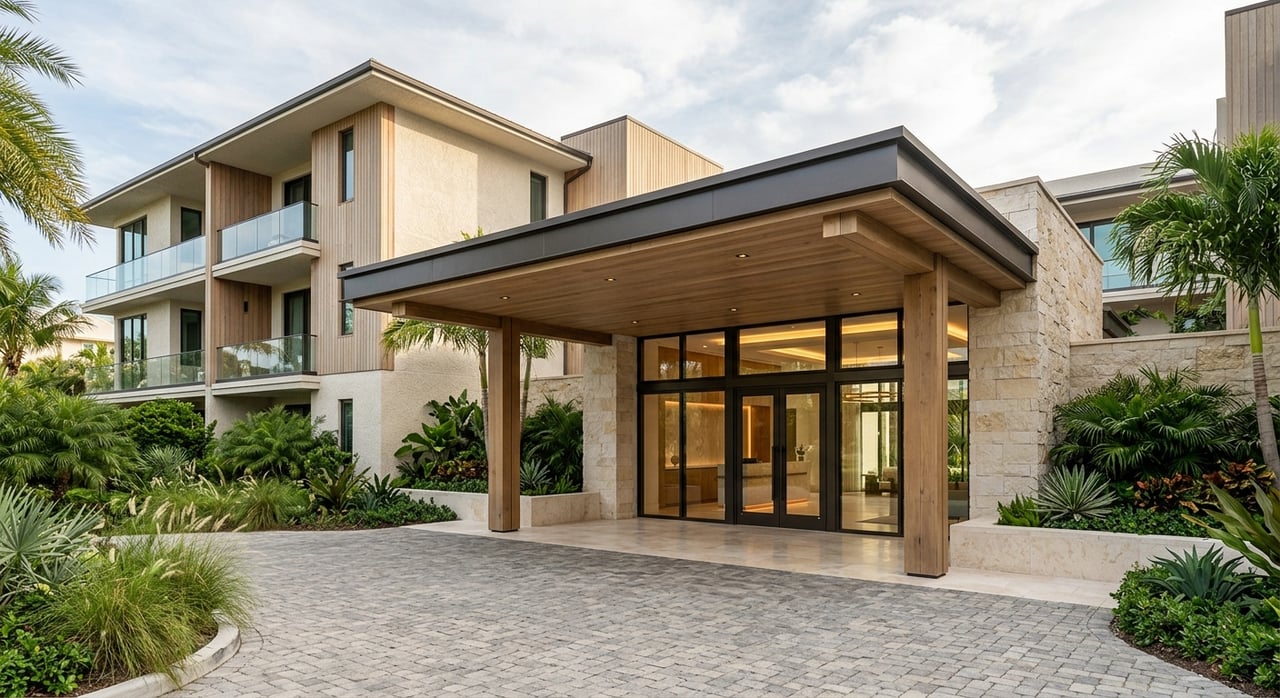
In-town living in Tampa often means a more compact layout and easier access to the city’s core destinations. Urban neighborhoods are typically made up of apartments, condominiums, and townhomes in a more vertical environment.
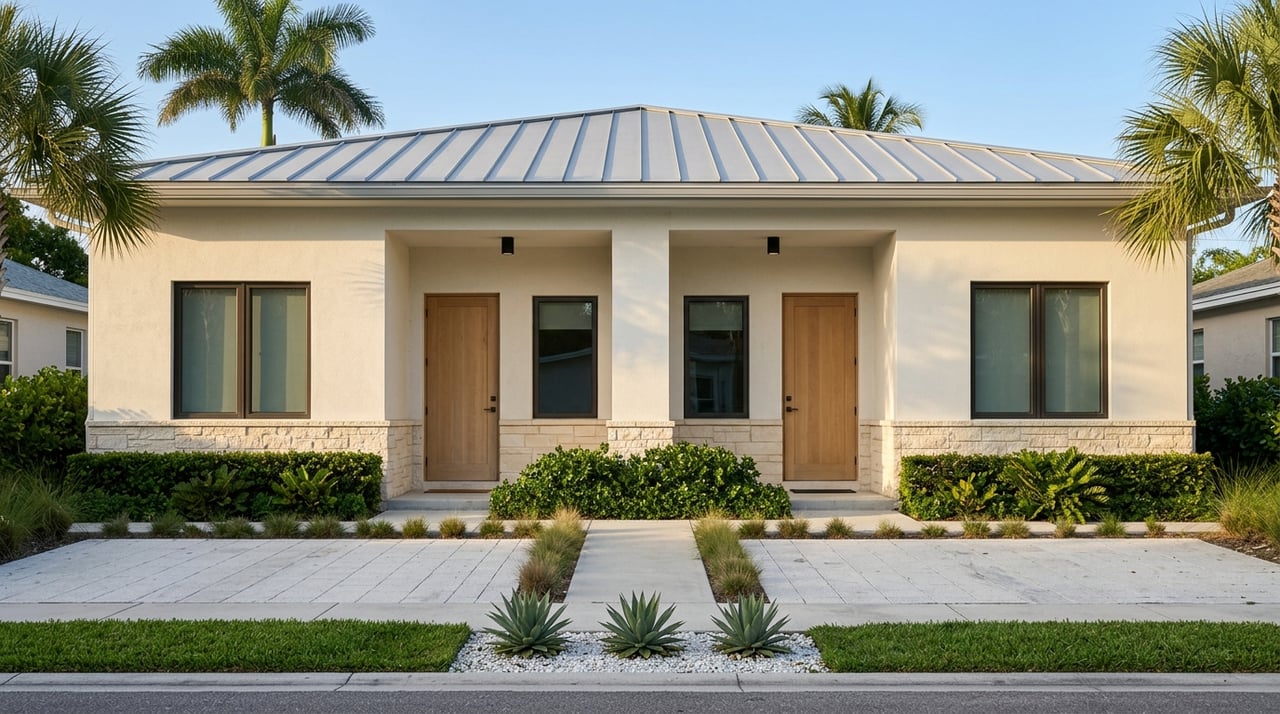
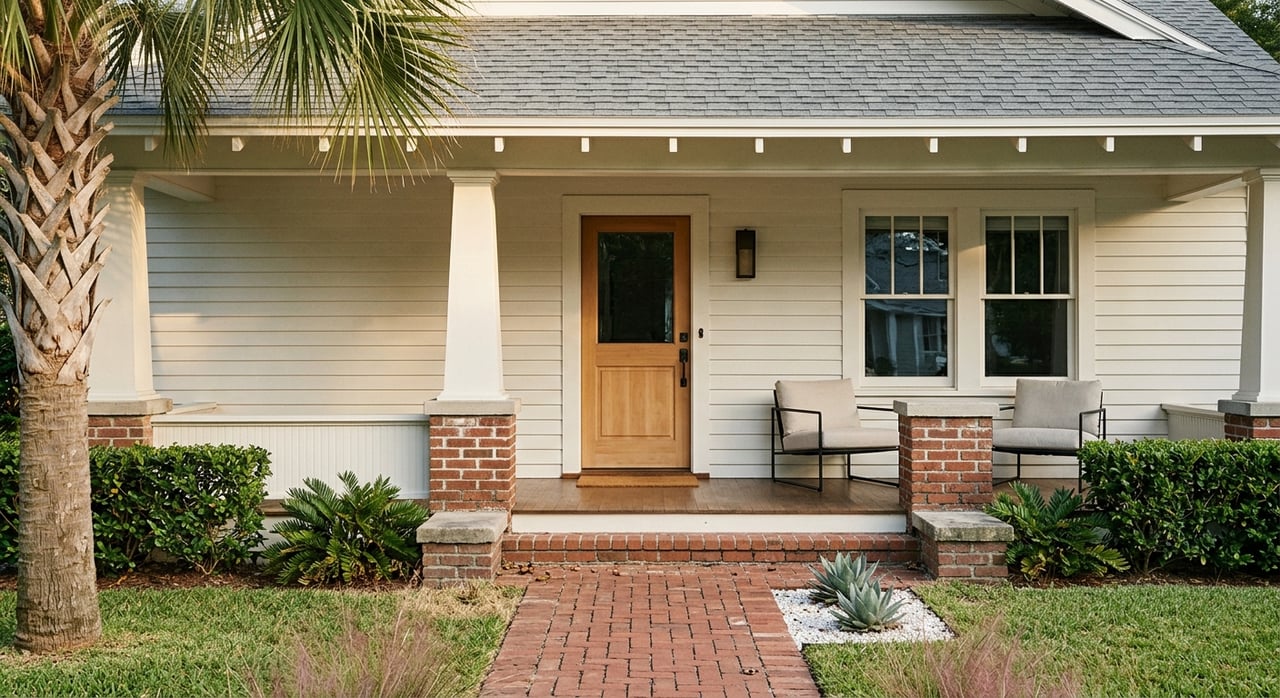
Traditional neighborhoods offer a different version of in-town life. These areas usually have smaller lots, buildings closer to the street, on-street parking, and neighborhood-scale businesses woven into the streetscape.
For many buyers, that setup supports a more connected daily routine. If you want dining, parks, entertainment, and errands closer to where you live, in-town Tampa often makes that easier.
Examples of In-Town Neighborhood Patterns
Hyde Park is one local example that helps bring the idea to life. The city describes it as Tampa’s oldest existing neighborhood, just west of the downtown business and cultural core, with historic homes, mature trees, and direct access to Bayshore Boulevard.
Downtown, Channelside, and Ybor City lean more urban and transit-friendly. These areas benefit from close proximity to major employment, cultural venues, and the TECO Line Streetcar route.
What Suburban Tampa Usually Feels Like
Suburban-style living in Tampa usually means more space and a more car-dependent routine. The city describes suburban neighborhoods as less compact, with activity centers farther apart and daily services more likely to require a drive.
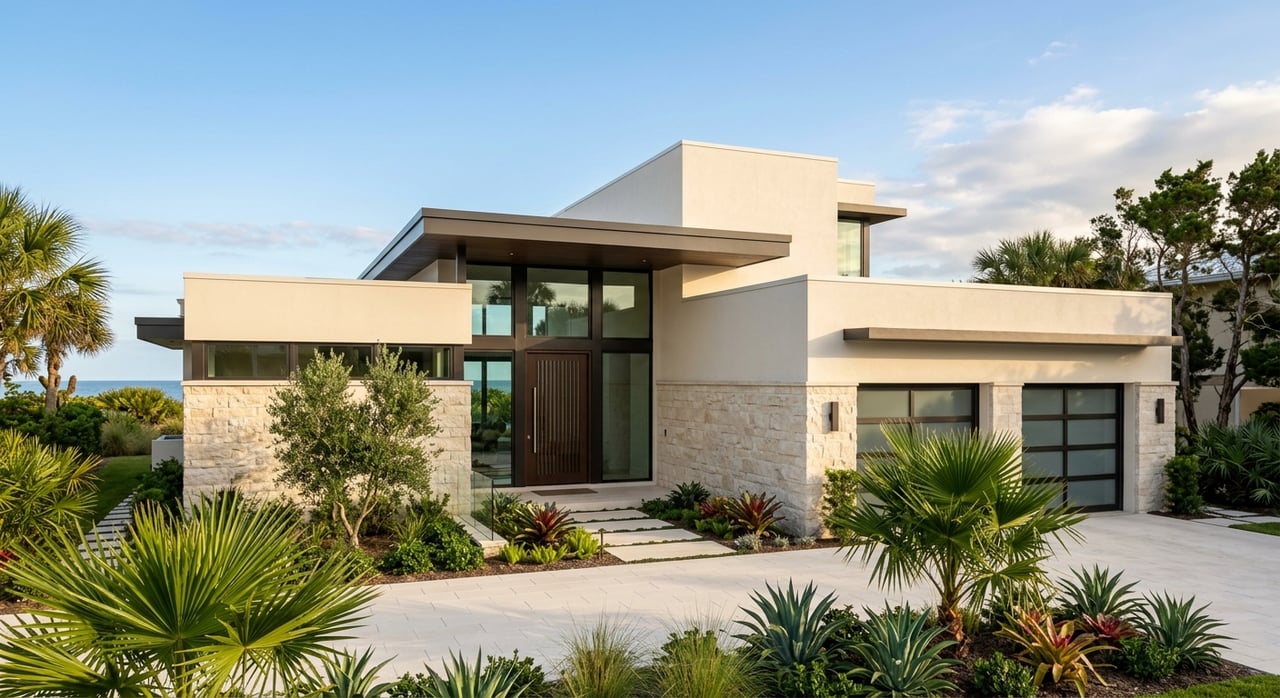
You will also typically see larger homes on larger lots in suburban settings. That can be a major plus if your priority is extra yard space, more separation between homes, or a layout that feels less dense.
Beach Park is a strong local example. The city describes it as having large oak trees, winding streets, very large lots, and original Mediterranean-style mansions, which shows that suburban character can exist even within Tampa city limits.
Commute Times and Daily Travel
For many buyers, commute time is one of the biggest decision points. On a citywide basis, Tampa residents have a shorter mean commute than Hillsborough County residents overall: 24.8 minutes in Tampa versus 28.8 minutes countywide.
That does not mean every in-town home will beat every suburban one on commute time. Your actual travel pattern will still depend on where you work, how often you drive, and what errands fill your week.
Still, the data supports a practical rule of thumb. If your job, appointments, and favorite destinations are near central Tampa, a closer-in neighborhood is more likely to reduce travel time.
Transit and Car Dependence
Transit options are more useful in-town than in outer suburban areas. HART operates local, express, and limited-express bus routes, HARTFlex service areas, in-town trolleys, vanpool service, paratransit, and the TECO Line Streetcar System.
The TECO streetcar runs 2.7 miles and connects Downtown Tampa, the Channel District, and Ybor City. HART also notes that downtown bus service reaches places like the airport, City Hall, the convention center, Amalie Arena, and major cultural destinations.
In urban neighborhoods, the city encourages pedestrian- and transit-supportive development near downtown, employment, shopping, and transit. In suburban neighborhoods, the city’s own framework points to a more automobile-dominant pattern.
Housing Style, Lot Size, and Value
Housing choice is one of the clearest differences between in-town and suburban living. In-town Tampa tends to have more condos, apartments, townhomes, and smaller-lot housing, while suburban areas more often offer larger-scale homes and larger lots.
Citywide numbers back up that difference in housing mix. Tampa has a 50.3 percent owner-occupied housing rate, compared with 61.5 percent in Hillsborough County. Tampa also has smaller average households at 2.31 persons per household, compared with 2.56 countywide.
That suggests a more renter- and condo-heavy mix in the city, while the county overall leans more owner-occupied and family-sized. It also aligns with what many buyers see on the ground when comparing central neighborhoods with more suburban parts of the market.
What About Pricing?
On the ownership side, Tampa city shows a higher median owner-occupied value than Hillsborough County overall. The median owner-occupied value is $420,400 in Tampa city, compared with $371,500 countywide.
Rent is closer between the two. Median gross rent is $1,701 in Tampa city and $1,667 in Hillsborough County.
So if you are comparing broad market patterns, the bigger gap shows up in ownership values, not rent. That does not decide the right fit for you, but it does help frame expectations.
Lifestyle and Everyday Convenience
Your best choice often comes down to how you want your week to feel. In-town living tends to work well if you want a routine where dining, parks, entertainment, and errands are more woven into everyday life.
Tampa’s neighborhood guide notes 146 parks nearby, and downtown planning materials describe Downtown as a high-caliber urban center with residential, commercial, recreational, and cultural assets. Combined with transit options in the core, that can support a lifestyle with fewer car-only trips.
Suburban-style living tends to suit buyers who want more space and do not mind driving more often. The city says suburban neighborhoods are less compact, with neighborhood services, parks, transit, and other daily destinations more likely to fall into the car-trip category.
A Simple Side-by-Side Comparison
| Factor | In-Town Tampa | Suburban-Style Tampa |
|---|---|---|
| Neighborhood form | More compact, urban or traditional | Less compact, more spread out |
| Housing types | Condos, apartments, townhomes, smaller-lot homes | Larger homes, larger lots |
| Commute potential | Often shorter for central destinations | Often longer overall countywide |
| Transit access | Stronger near Downtown, Channel District, and Ybor City | More limited, more car-dependent |
| Daily routine | Easier access to dining, parks, and entertainment | More driving for errands and activities |
| Ownership values | Higher citywide median owner value | Lower countywide median owner value overall |
Planning for Flood and Hurricane Risk
No matter which lifestyle you prefer, property planning matters in Tampa. The city says flood zones and evacuation zones are not the same, and every property is in a flood zone.
The city also notes that homeowners insurance usually does not cover flood damage. That is why it is smart to check address-specific flood and evacuation maps before you move forward on a home.
This is not just a waterfront issue. Whether you are comparing an in-town property or a larger-lot home, understanding those maps should be part of your decision process.
How to Choose the Right Fit
If you are still weighing in-town versus suburban living, start with your daily habits. Think about how often you want to drive, how much space you need, and whether shorter access to central Tampa is worth paying more for in some areas.
You should also think about the type of home that matches your next chapter. A condo or townhome near the urban core may fit a lower-maintenance lifestyle, while a single-family home on a larger lot may better suit buyers who want more indoor and outdoor space.
Finally, compare specific neighborhoods instead of relying on labels alone. In Tampa, even areas inside the city can feel suburban, and not every closer-in neighborhood offers the same pace or housing style.
If you want help narrowing the search, working with a local advisor can make the process much clearer. Stephen Meyer Jr. can help you compare Tampa neighborhoods, weigh lifestyle tradeoffs, and find the right fit for your goals.
FAQs
Is Tampa more urban or suburban overall?
- Tampa is a mix of urban, traditional, suburban, contemporary, and rural neighborhood patterns, so it is better understood as a spectrum rather than one single style.
Which Tampa option usually has a shorter commute?
- Tampa city residents have a shorter mean commute than Hillsborough County residents overall, at 24.8 minutes versus 28.8 minutes, so closer-in areas often have an advantage for central destinations.
Which Tampa neighborhoods are more transit-friendly?
- In-town areas like Downtown Tampa, the Channel District, and Ybor City are more transit-friendly because they connect to HART bus service and the TECO Line Streetcar.
Which Tampa option usually offers larger lots?
- Suburban-style neighborhoods usually offer larger lots, since the city associates suburban areas with larger-scale homes on large lots.
Are suburban-style neighborhoods only outside Tampa city limits?
- No. Some neighborhoods within Tampa city limits, such as Beach Park, have a more suburban character with larger lots and a less compact layout.
What should Tampa buyers check for flood planning?
- Buyers should check address-specific flood and evacuation maps because the city says every property is in a flood zone and flood zones are different from evacuation zones.