Buying a condo in Clearwater can look simple on the surface. You find a great view, compare amenities, and picture your mornings near the water. But in this market, a smart purchase takes more than falling in love with the unit. You also need to understand the building, the association, and the coastal risks that come with condo ownership. This checklist will help you focus on the details that matter most before you make an offer or before your inspection period ends. Let’s dive in.
Why Clearwater condo due diligence matters
In Clearwater, condo due diligence is about more than finishes and monthly dues. Because this is a coastal community, flood risk, evacuation planning, and building elevation deserve careful review.
The City of Clearwater notes that heavy rain, king tides, and storm events can cause flooding. Pinellas County also makes an important distinction: flood zones and evacuation zones are not the same thing. That means you should check both, not just one.
Building condition is another major factor. Under Florida law, condominium buildings that are three stories or higher must meet milestone inspection rules by age 30 and every 10 years after that, and many residential condos of that height must also have a structural integrity reserve study, often called a SIRS, at least every 10 years.
For you as a buyer, this changes the process. A well-run Clearwater condo purchase should include a close look at the building’s age, the latest inspection date, whether key repairs were completed, and how the association is funding ongoing structural needs.
Start with the right documents
Before you commit to a Clearwater condo, ask for the key association documents early. In a Florida resale condo transaction, buyers are entitled to current copies of the declaration, articles of incorporation, bylaws and rules, the most recent annual financial statement and annual budget, the FAQ sheet, the most recent SIRS or a statement that none has been completed, and any applicable milestone-summary or turnover-inspection report.
These documents help you understand how the community operates and whether the building is financially and structurally well managed. They can also show you upcoming costs, use restrictions, and repair issues that may not be obvious during a showing.
If you need additional records, ask for the association’s official records in writing. Florida requires the association to make records available within 10 working days of a proper written request, and it must provide a checklist showing what was made available and what was withheld.
You should also request the estoppel certificate. This is one of the most useful documents in the deal because it summarizes the money side of the transaction, including current assessments, special assessments, transfer fees, open violations, and even details like the parking or garage space assigned to the unit.
Clearwater condo buyer’s checklist
Review fees and reserves
Start with the monthly condo fee. Ask what it covers, whether it has increased recently, and how much of the budget goes toward reserves.
For buildings subject to SIRS requirements, reserve funding is especially important. Florida law ties these reserves to major structural and safety-related items such as the roof, structure, fireproofing, plumbing, electrical systems, waterproofing, exterior painting, windows, and exterior doors.
You should also ask whether the association is funding repairs through regular assessments, a special assessment, a line of credit, or a loan. If the building has a major repair plan, you want to know how that cost may affect your ownership.
Check for special assessments
Special assessments are not always a red flag, but they should always lead to more questions. If one was recently passed or is being discussed, ask what work it covers, how much remains unpaid, and whether more assessments may follow.
The association’s financial statements and buyer disclosures should help confirm this. A clear repair plan and documented funding approach usually tell a better story than vague explanations.
Read rules on parking and use
Do not assume the parking setup works for your lifestyle. If you have two vehicles, need guest parking, want storage space, or expect flexibility for a future rental, confirm the details in writing.
Parking, storage, pet rules, rental limits, guest policies, and approval procedures are typically controlled by the condo’s governing documents. This is one area where reading the documents twice is a smart move.
The estoppel certificate can also help by confirming the parking or garage space on record. That small detail can prevent a big surprise later.
Understand maintenance responsibilities
One of the most common condo questions is simple: who is responsible for what? In Florida condominiums, the association is generally responsible for common-element maintenance, repair, and replacement, but the declaration can shift some limited-common-element responsibilities to unit owners.
That is why you should ask specific questions about the roof, balconies, windows, exterior doors, painting, waterproofing, and hurricane protection. The answer may vary from one building to the next.
If the unit or building has been renovated, ask for permit records and warranties. Clearwater requires permits for many structural, mechanical, plumbing, and electrical projects, so permit history can tell you a lot about whether work was handled properly.
Verify flood and insurance details
In Clearwater, this is a must-do step. Check the property’s flood zone, evacuation zone, and elevation certificate before closing.
This matters because flood risk can affect both safety planning and monthly cost. Pinellas County says most homeowners policies do not cover flood damage, and flood insurance is mandatory for federally backed mortgages in a Special Flood Hazard Area such as Zones V, VE, A, or AE.
You should also review the association’s master insurance policy and deductible structure. Florida law requires condominium associations to use their best efforts to maintain adequate insurance, and flood insurance may be carried for common elements, association property, or units.
Even if the association carries insurance, that does not automatically answer your lender’s requirements. If you are financing the purchase, ask your lender whether the project is financeable as-is and whether the flood zone will trigger additional insurance requirements.
Look closely at building condition
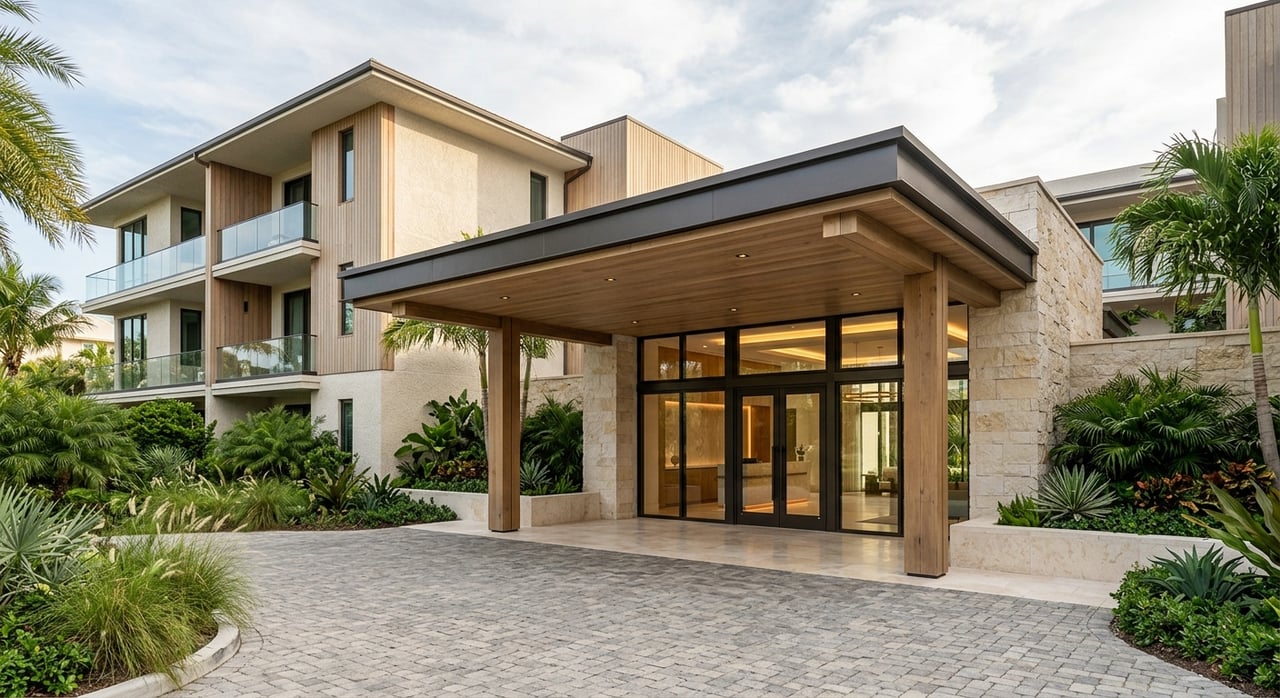
A pretty lobby does not tell you much about the condition of the building itself. In Clearwater, a careful buyer should ask for the latest milestone inspection summary when applicable, the most recent SIRS, and any records tied to major repairs.
You should also ask your inspector to look closely for signs of water intrusion, corrosion, balcony deterioration, roof issues, or deferred maintenance. These issues are especially important in the structural and safety categories Florida law highlights.
If repairs were recommended, confirm whether they were completed on time. A building with documented inspections and follow-through is very different from one with missing paperwork and open questions.
Questions to ask before you buy
Questions for the HOA or management company
Bring a list and be direct. Good questions include:
- What is included in the monthly dues?
- How much is currently held in reserves?
- Were any reserves waived in prior years?
- Are there any current or upcoming special assessments?
- Are there open violations, insurance claims, lawsuits, or major repair projects?
- Can you provide the latest budget, financial report, SIRS, milestone summary, permits, and recent meeting minutes?
Questions for your lender
Your lender can help you spot issues that affect financing, not just affordability. Ask:
- Is the condo project financeable in its current condition?
- Will the property’s flood zone require flood insurance?
- Are there reserve, inspection, or insurance concerns that could affect underwriting?
Questions for your inspector
A condo inspection should go beyond the inside of the unit when possible. Ask your inspector to focus on:
- Water intrusion or staining
- Corrosion or rust concerns
- Balcony wear or visible deterioration
- Roof condition
- Deferred maintenance in structurally important systems
- Window, exterior door, and waterproofing concerns
Red flags that deserve a closer look
Some issues should prompt a deeper review before your inspection period ends. One example is missing or delayed association records, especially if basic financial or inspection documents are hard to get.
Another is the absence of a SIRS where one should exist. You should also pay close attention to a recent special assessment that does not come with a clear repair plan or a clear explanation of future costs.
Unresolved flood or storm-damage history can also be a warning sign. Frequent changes in board or management, paired with weak documentation, may point to operational problems that deserve more scrutiny.
These issues are not always deal-breakers. They are signals to slow down, ask better questions, and make sure you understand the full picture before you move forward.
A smart Clearwater condo purchase
The right Clearwater condo can offer convenience, lifestyle, and strong long-term value. But the best purchases usually happen when you look past the pool deck and view line and focus on the documents, the building condition, and the real monthly and future costs.
If you want a practical second set of eyes while comparing Clearwater condos, Stephen Meyer Jr. can help you sort through the details, ask sharper questions, and move forward with confidence.
FAQs
What documents should you request when buying a Clearwater resale condo?
- You should request the declaration, articles of incorporation, bylaws and rules, the most recent annual financial statement and budget, the FAQ sheet, the most recent SIRS or notice that none exists, any applicable milestone-summary report, and the estoppel certificate.
Why do flood zones matter when buying a Clearwater condo?
- Flood zones can affect your insurance needs and your financing, especially if you are using a federally backed mortgage in a Special Flood Hazard Area, and they are different from evacuation zones.
What is a SIRS for a Florida condo building?
- A SIRS is a structural integrity reserve study that helps identify reserve funding needs for key building components such as the roof, structure, plumbing, electrical systems, waterproofing, windows, and exterior doors.
How can special assessments affect a Clearwater condo purchase?
- Special assessments can increase your ownership costs, so you should confirm the amount, the purpose, the payment schedule, and whether more assessments may be needed for the same repair project.
What should you ask about condo insurance in Clearwater?
- You should ask about the association’s master policy, deductible structure, whether flood insurance is carried for common elements or units, and whether your lender will require separate flood coverage based on the property’s flood zone.
What are common red flags when buying a condo in Clearwater?
- Common red flags include missing records, no SIRS where one should exist, unclear repair plans, unresolved storm or flood history, and frequent management changes without strong documentation.