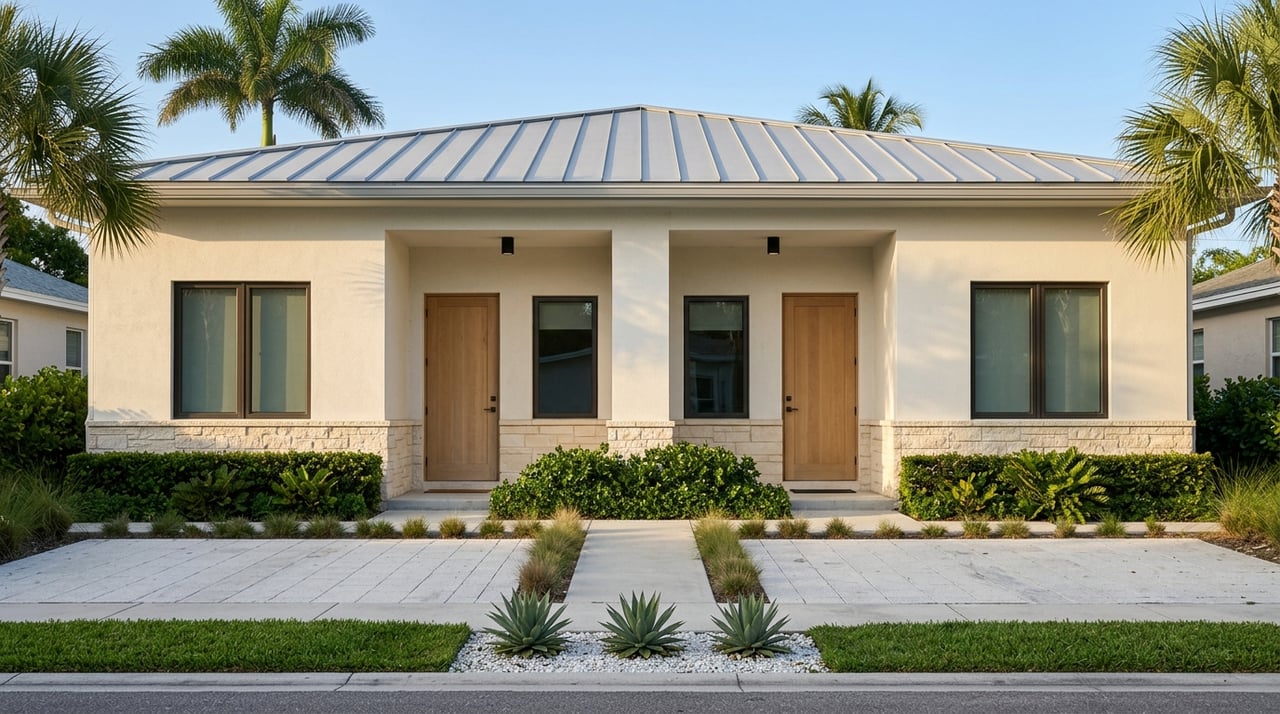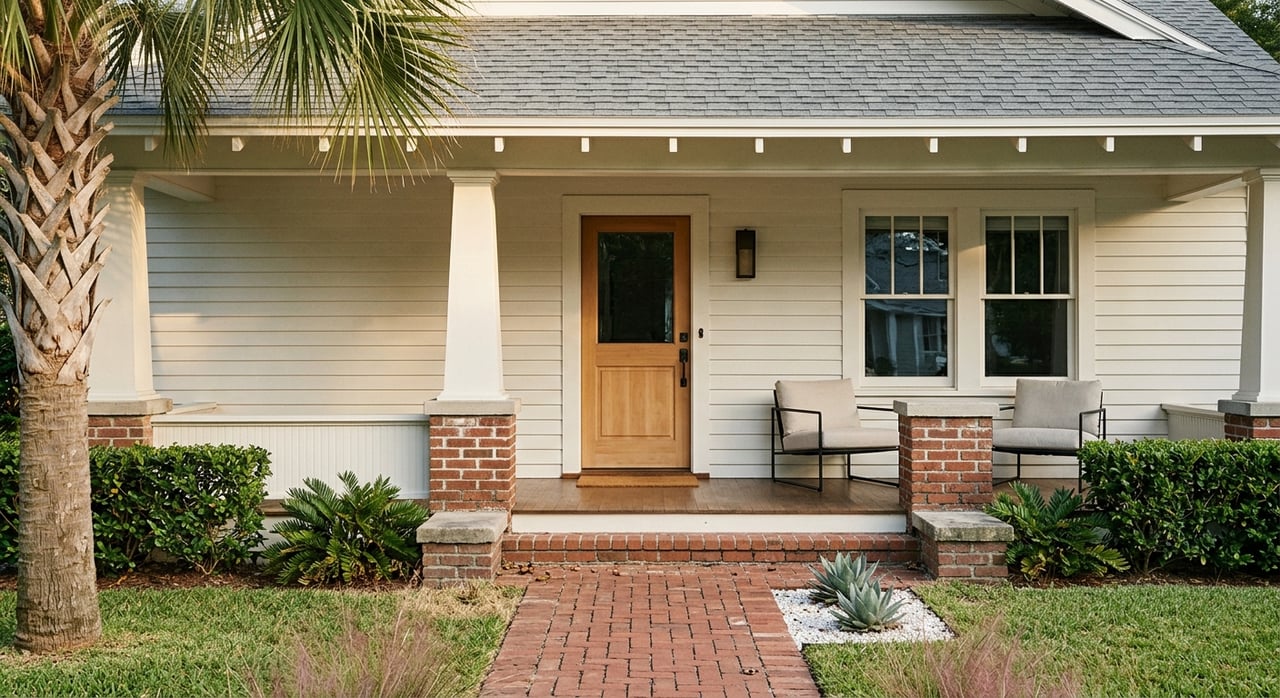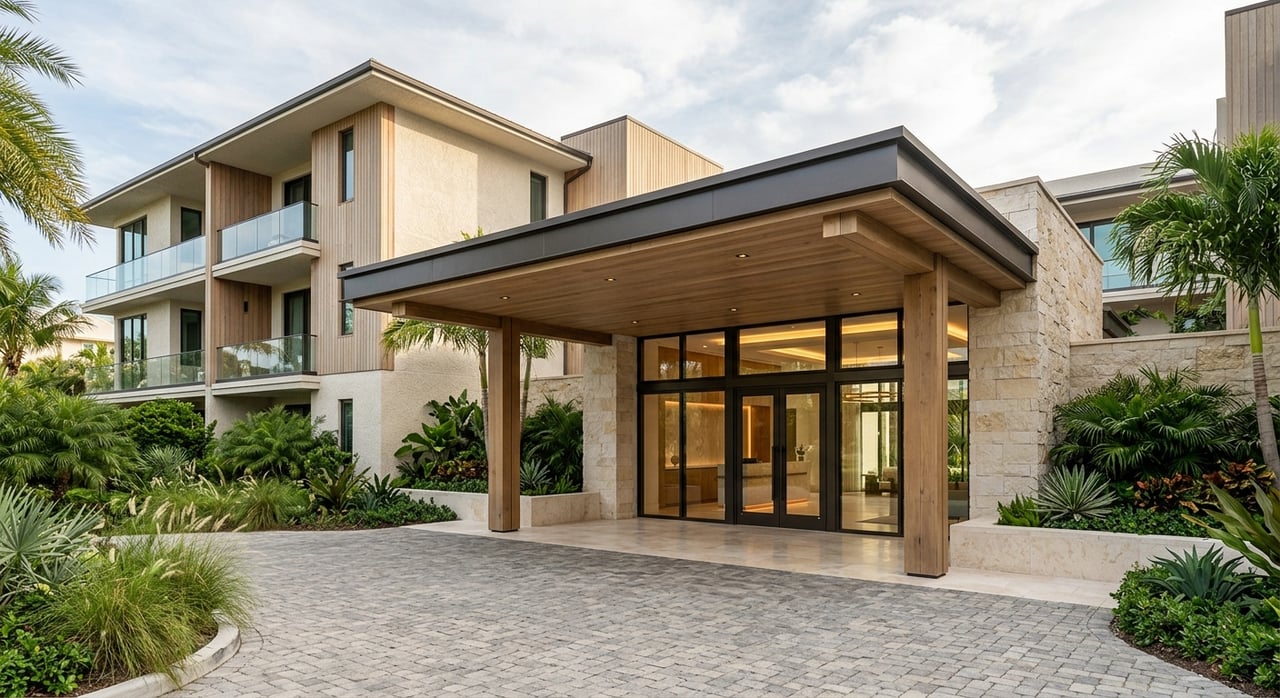
Trying to choose between a single-family home and a condo in Clearwater? You are not alone. Many buyers find themselves weighing price, maintenance, location, and long-term costs all at once. The good news is that each option can make sense depending on how you want to live, what you want to spend, and how hands-on you want to be. Let’s break down the key differences so you can make a smarter Clearwater decision.
Clearwater Home Types at a Glance
In Clearwater, the single-family versus condo decision often comes down to control, convenience, and cost structure. A single-family home usually gives you more direct control over your property, while a condo typically comes with more shared ownership elements and association oversight.
That difference matters in everyday life. It affects who handles exterior maintenance, how monthly expenses are structured, what kind of insurance you may need, and how much due diligence is involved before closing.
Ownership Differences in Florida
How condo ownership works
In Florida, a condominium is a separate parcel of real property. As a condo owner, you own your unit and also share an undivided interest in the common elements, while the association manages the shared property.
That means your ownership is tied not only to your unit, but also to the building and shared spaces around it. The association has powers related to maintaining, managing, and operating the condominium property.
How single-family ownership differs
A single-family home does not use the same condo parcel and common-element structure. In many Clearwater neighborhoods, any community rules or shared obligations may instead come through a homeowners’ association governed under Florida’s residential HOA framework.
In practical terms, a single-family home is usually more connected to your own lot and house. You generally have fewer shared-building decisions than you would in a condo community.
Maintenance and Monthly Costs
What single-family owners usually handle
With a single-family home, you are typically more directly responsible for repairs, upkeep, property taxes, insurance, and any HOA dues that apply. If the roof needs work, the yard needs care, or the exterior needs attention, those decisions often fall more squarely on you.
For many buyers, that extra responsibility is worth it. You may get more privacy, more storage, and more freedom over your property’s exterior and yard.
What condo dues may cover
Condo ownership often shifts more maintenance into the association structure. Association dues can help cover shared expenses, and condominium associations often take on more responsibility for items such as roofs, shared structures, driveways, and common areas.
That can appeal to buyers who want a more lock-and-leave lifestyle. If you travel often, want less exterior upkeep, or prefer shared amenities, a condo may feel simpler day to day.
Why condo budgeting needs extra attention
In Florida, condo cost planning now requires a closer look, especially in older buildings. Buildings that are three habitable stories or more must follow milestone inspection rules at 30 years of age and every 10 years after that, and certain condominium buildings must also complete structural integrity reserve studies.
For budgets adopted on or after December 31, 2024, unit-owner-controlled associations that are required to obtain a structural integrity reserve study cannot choose to fund less than the required reserves for listed items. In Clearwater, this can affect monthly dues, reserve funding, and budgeting expectations, especially in older coastal condo buildings.
Clearwater Price Patterns
Citywide price context
If you are comparing entry points, condos often come in lower citywide. Redfin reports median sale prices in Clearwater of about $427,283 for single-family homes and $289,890 for condo and co-op units.
In the broader Tampa-St. Petersburg-Clearwater metro, Florida Realtors reported February 2026 median sale prices of $404,000 for single-family homes and $297,000 for townhouses and condos. That makes condos a common starting point for buyers who want Clearwater access at a lower purchase price.
Why beach-area condos can cost more
The coastal market can flip that pattern. Clearwater Beach is a condo-heavy area, and pricing there reflects the premium many buyers place on water access, views, and amenity-rich living.
Realtor.com shows Clearwater Beach with a median listing price of $937,000, while Redfin shows 81 condos for sale there at a median listing price of $735,000. Areas such as Sand Key, Island Estate, Clearwater Point, and Harbor Bluffs Waterfront also reflect that condo-oriented coastal demand.
Lifestyle Tradeoffs in Clearwater
When a condo may fit better
A condo may be the better match if you want easier upkeep and stronger access to beach or waterfront settings. In Clearwater, condos are more common in areas where buyers value walkability, views, shared amenities, and a more convenient lock-and-leave setup.
That can be especially attractive if your goal is a second home, a lower-maintenance primary residence, or a property that supports a more travel-friendly lifestyle.
When a single-family home may fit better
A single-family home may be a better fit if you want more privacy, more storage, yard space, or greater control over long-term maintenance decisions. These homes often appeal to buyers who want a more traditional ownership structure with fewer shared-building decisions.
If exterior control matters to you, this can be a major advantage. You may have more say over how your property is maintained, improved, and used within any applicable neighborhood rules.
Insurance and Flood Planning
Flood zones matter everywhere in Pinellas
In Pinellas County, everyone is in a flood zone. The county also notes that flood zones are different from evacuation zones, which is an important distinction when you are comparing locations across Clearwater.
If you have a federally backed mortgage on a home in a high-risk flood zone, flood insurance is required. The City of Clearwater also offers parcel-level flood and elevation lookup tools, which can help you evaluate a specific property.
Property type affects insurance mix
Homeowners insurance does not usually cover flood damage, so separate flood insurance may be needed. That matters for both condos and single-family homes, but the insurance setup can look different depending on the property.
For condos, association fees usually include master insurance for common areas, but you still need insurance for your unit itself. For single-family homes, your insurance planning is usually more directly tied to the structure and site you own.
Financing and Resale Considerations
Condo financing can be more involved
If you are financing a condo, your lender may need to review more than just your personal qualifications. Fannie Mae says lenders must determine whether the condo project meets eligibility requirements, and that review can include legal documents, budgets, and reserve studies.
That means two condos with similar prices may not feel equally simple to finance. The strength of the association’s records and project status can affect timing and loan options.
Resale due diligence matters more in older condos
Florida now requires certain resale contracts for residential units to disclose whether milestone inspections or structural integrity reserve studies have been completed when applicable. For buyers, that makes older condo review especially important.
A smart review often starts with the association’s inspection summary, reserve study, budget, insurance declarations, and any history of special assessments. These details can shape your comfort level with both current costs and future obligations.
Questions to Ask Before You Choose
Before you decide between a condo and a single-family home in Clearwater, ask a few practical questions early:
- What does the monthly dues amount include?
- How often have dues changed?
- Are there pending or recent special assessments?
- Is the condo project eligible for your loan program?
- Has the lender reviewed the budget, reserve study, and legal documents?
- Has the association completed any required milestone inspection or structural integrity reserve study?
- What is the flood zone, evacuation zone, and insurance picture for the specific property?
- Do you want more control over the exterior and yard, or less hands-on upkeep?
These questions can help you look beyond the listing photos and compare the true day-to-day fit of each property type.
Which Clearwater Option Is Right for You?
There is no one-size-fits-all answer in Clearwater. A condo can be a great match if you want convenience, beach proximity, and less exterior maintenance. A single-family home can be the better choice if you value privacy, storage, yard space, and more control over your property.
The right move usually comes from matching the property type to your budget, lifestyle, and comfort with ongoing costs. If you compare both options with clear numbers and solid due diligence, you will be in a much stronger position to buy with confidence.
If you want help comparing Clearwater condos and single-family homes based on your goals, reach out to Stephen Meyer Jr. for practical local guidance and a tailored home search strategy.
FAQs
What is the main difference between a Clearwater condo and a single-family home?
- In Florida, a condo includes ownership of your unit plus a shared interest in common elements managed by an association, while a single-family home is generally tied more directly to your house and lot.
Are Clearwater condos always cheaper than single-family homes?
- No. Citywide, condos often have a lower median sale price, but premium coastal condo markets like Clearwater Beach can be more expensive than many inland single-family homes.
What should you review before buying an older Clearwater condo?
- Review the association budget, reserve study, insurance declarations, inspection summary, and any special-assessment history, especially when milestone inspection or structural reserve rules may apply.
Do Clearwater condo owners still need insurance?
- Yes. Even if association dues include master insurance for common areas, you still need insurance for your unit, and flood insurance may also be needed depending on the property and loan.
Why does flood due diligence matter for Clearwater buyers?
- Pinellas County says everyone in the county is in a flood zone, so buyers should review the flood zone, evacuation zone, elevation details, and insurance requirements for any property they are considering.
When does a single-family home make more sense in Clearwater?
- A single-family home often makes more sense if you want more privacy, yard space, storage, and greater control over exterior maintenance and long-term property decisions.