Trying to buy your first home in Tampa without stretching your budget too thin? A duplex can open a different path. If you live in one unit and rent the other, you may be able to lower your monthly housing cost while building equity, but only if the property is legally set up, the financing works, and you are ready for the day-to-day reality of being an owner-occupant landlord. This guide walks you through what matters most before you buy. Let’s dive in.
What house hacking means in Tampa
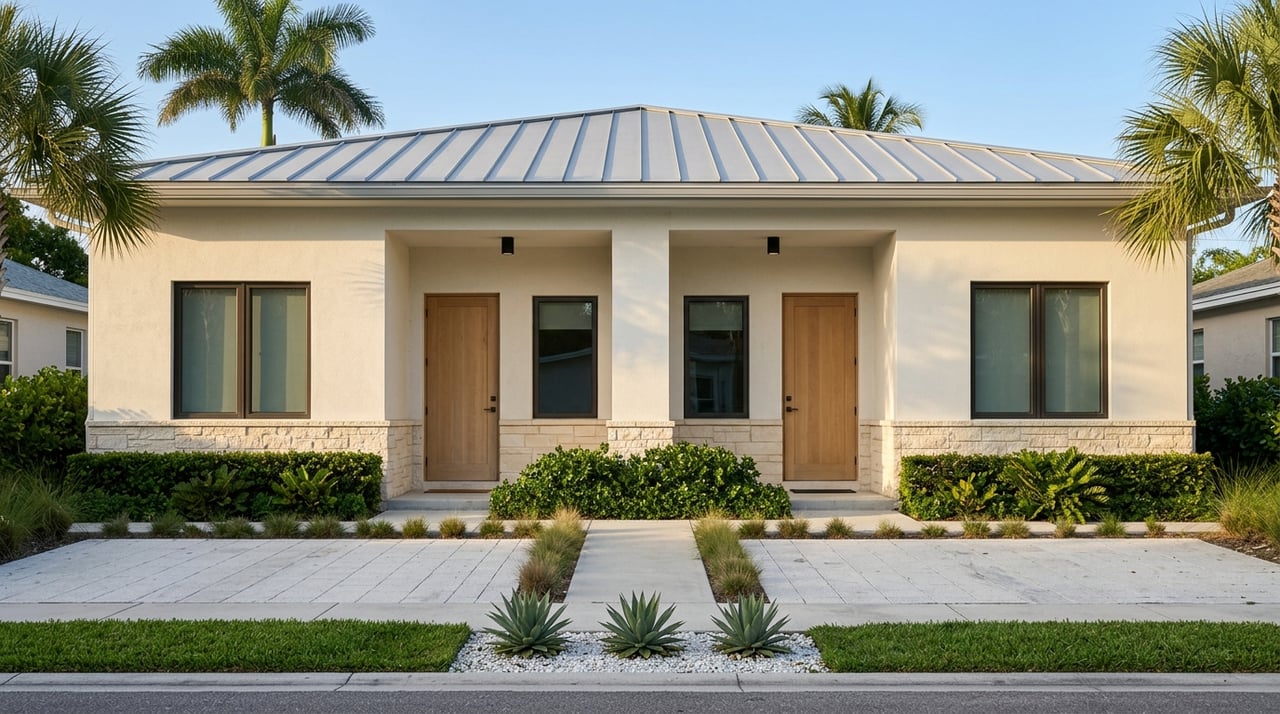
House hacking a duplex usually means you buy a two-unit property, move into one unit as your primary residence, and rent out the other unit. The goal is simple: use rental income to help offset your housing costs.
That said, the strategy is not just about a lower payment on paper. You are also taking on repairs, property taxes, insurance, and landlord responsibilities. If the rental unit is vacant or the rent comes in late, you still need to be able to carry the property.
For many first-time buyers, this works best when you want to build equity, are comfortable living close to a tenant, and have enough savings to handle maintenance and surprises. If privacy is your top priority or you do not want hands-on management, a duplex may be a tougher fit.
Why legal use matters first
In Tampa, the word "duplex" can be used loosely in marketing, but the legal classification is what counts. Tampa code defines a two-family dwelling and a single-family semidetached dwelling in specific ways, and those definitions do not always match how a property is described in a listing.
That means a property that looks like a duplex from the street is not automatically approved as one. Before you get too far into the numbers, you need to confirm that the parcel is legally allowed to function as a two-unit property.
Tampa also notes that zoning maps are not guaranteed error-free, which is why parcel-level verification matters. In practice, that means checking the zoning for the specific lot and confirming how the city treats that exact property.
Tampa duplex opportunities are location-specific
A key point for Tampa buyers is that duplex opportunities are not spread evenly across the city. Some districts contemplate two-family or semidetached housing forms, while others may not.
For example, Tampa’s Seminole Heights Residential Single-family attached district includes development standards for semidetached and two-family homes. That is a good reminder that your search should stay focused on neighborhoods and zoning districts where this property type is actually contemplated.
This is where local guidance can save you time. Instead of assuming every older home with two entrances is a workable house hack, you want to narrow your search to properties that can stand up to financing, appraisal, and city review.
What to check before making an offer
Before you write an offer on a Tampa duplex, make sure you are looking at more than just price and projected rent. A strong first-pass review should include both legal and practical details.
Here are some of the most important items to check:
- Whether the parcel is legally recognized as a two-unit property
- Whether the property’s zoning supports that use
- Whether both units appear to be permitted and usable as dwellings
- Whether the property has features lenders often look for, such as separate utility meters
- Whether each unit has a clear mailing address or identifying setup
- Whether the rental unit can be legally rented as part of the property’s current use
These details matter because lenders and appraisers may need to see that the duplex functions as a true small multifamily property, not just a single-family home with a converted space.
Renovation plans need permit review
A fixer-upper duplex can be appealing, especially if you want to improve one or both units over time. But in Tampa, your renovation path matters.
The city states that residential permits and residential plan review apply to single-family residences and duplexes. Triplexes and larger multifamily projects are handled differently through commercial permitting. Tampa also states that detached one- and two-family dwellings and townhouses under three stories may follow the residential code pathway.
For you, the takeaway is clear: if you are buying a duplex with plans to rework layouts, add kitchens, or legalize existing spaces, permit research should happen early. A property that seems like a value-add opportunity can become much less attractive if the intended improvements are not straightforward.
Financing options for a first duplex
The financing side is one of the biggest reasons house hacking appeals to first-time buyers. Some owner-occupied loan programs allow rental income from the second unit to help support qualification.
FHA financing for owner-occupants
FHA is a common path for first-time duplex buyers. HUD’s handbook allows FHA single-family programs for owner-occupied principal residences and includes one- to four-family properties.
HUD also states that lenders may consider rental income from a two- to four-unit property when it is properly documented through the appraisal and, if available, leases. FHA borrowers generally need a minimum cash investment of 3.5 percent.
Conventional financing for duplex buyers
Conventional financing can also work, but it is not one-size-fits-all. Fannie Mae allows rental income from a two- to four-unit principal residence when you occupy one of the units.
Documentation may include tax returns, current leases, and a small residential income appraisal. If you are comparing standard conventional options with programs like HomeReady, it is smart to look closely at the specific rules for owner-occupied 2- to 4-unit properties rather than assuming they all work the same way.
VA financing for eligible buyers
If you are eligible for a VA loan, that can be another strong path for house hacking. The VA purchase loan program can finance a property with up to four units, provided you meet occupancy requirements.
VA also states that its purchase loan does not require a down payment or monthly mortgage insurance, though the funding fee may still apply. For eligible buyers, that can make the upfront numbers much more approachable.
Rental income can help, but it is not magic
One of the biggest mistakes first-time house hackers make is treating future rent as guaranteed. Lenders do not usually underwrite that way, and you should not budget that way either.
Projected rent may help you qualify, but the income has to be documented correctly and may be adjusted for factors like vacancy and maintenance. In other words, the second unit can strengthen the deal, but it should not be the only thing holding the deal together.
A safer approach is to ask a simple question: Would this property still feel manageable if the other unit sat vacant for a period of time? If the answer is no, the purchase may be too tight.
Documents you will likely need
When you buy a duplex with owner-occupied financing, documentation matters. Lenders commonly want to see proof of the rent amount and support that the rent is likely to continue.
For two- to four-unit properties, common items may include:
- Lease agreements
- Tax returns, when applicable
- An appraisal that estimates fair market rent
- A small residential income property appraisal form
The more clearly the property’s rental setup is documented, the smoother the underwriting process tends to be.
Costs after closing in Hillsborough County
Your monthly payment is only part of the picture. Once you close, your real cost of ownership also includes taxes, insurance, maintenance, and turnover risk.
For owner-occupants, Florida homestead benefits can make a meaningful difference. The Florida Department of Revenue states that a homestead exemption can reduce taxable value by up to $50,000, and Hillsborough County notes that the City of Tampa’s local option homestead exemption may also apply to city taxes up to $50,000.
Hillsborough County also states that ownership and residency must be established as of January 1, and homestead applications are generally due by March 1. If you plan to live in one unit as your permanent residence, this is an important deadline to keep on your radar.
There is also a longer-term tax benefit to understand. Hillsborough notes that homesteaded residences are subject to the Save Our Homes assessment limitation, which caps annual assessment increases at 3 percent. That can help make future property tax growth more predictable.
Your landlord duties start fast
Once you rent the second unit, Florida landlord-tenant rules apply. Florida law states that landlords must maintain the premises in compliance with applicable codes and disclose the landlord’s name and address.
Florida also requires a separate flood-risk disclosure for residential leases of one year or longer. The statutory disclosure warns that renters’ insurance does not cover flood damage.
On top of state law, Tampa’s property maintenance code states that the owner of a dwelling with two or more units is responsible for maintaining shared or public areas in a clean and sanitary condition. That means house hacking is not passive ownership. You are responsible for common-area upkeep, repair response, and clear tenant communication.
A simple way to evaluate a first Tampa duplex
When you are comparing properties, it helps to use a practical filter instead of chasing the highest rent estimate. Focus on whether the property works legally, financially, and operationally.
Use this checklist as a starting point:
- Verify legal use for the specific parcel.
- Review financing options based on your occupancy plan and cash available.
- Confirm rental documentation that a lender may need.
- Stress-test the payment in case of vacancy, delayed rent, or repairs.
- Review post-closing responsibilities like maintenance, leasing, and homestead timing.
That process can help you avoid the most common first-time mistakes, especially zoning assumptions, thin reserves, and overly optimistic rent expectations.
The bottom line on house hacking in Tampa
A Tampa duplex can be a smart first purchase if you want to lower your housing cost, build equity, and start with a small multifamily property. But the best opportunities are usually the ones that hold up under close review, not just the ones with the most exciting rent projection.
If you approach house hacking with careful zoning checks, realistic financing assumptions, and a clear understanding of your responsibilities after closing, you will put yourself in a much stronger position to buy well the first time.
If you want help sorting through Tampa duplex options, comparing neighborhoods, or pressure-testing the numbers on a specific property, connect with Stephen Meyer Jr. to start your Tampa Bay search.
FAQs
Is every property marketed as a duplex legal in Tampa?
- No. You should confirm the parcel’s zoning and legal property classification because marketing language does not automatically match the city’s legal definitions.
Can rental income from one unit help you qualify for a Tampa duplex mortgage?
- Often yes, if your loan program allows it and the income is documented properly through items like leases and the appraisal.
What financing works best for a first Tampa house hack?
- FHA, conventional, and VA can all be options depending on your eligibility, occupancy plan, savings, and how the lender handles rental income for a two-unit property.
What should you verify before buying a Tampa duplex to house hack?
- Check legal use, parcel zoning, permit status, rental setup, lender documentation needs, and whether the property still works financially during vacancy or repairs.
How does Florida homestead affect a Tampa owner-occupied duplex?
- If you qualify and occupy the property as your permanent residence, homestead may reduce taxable value, and Save Our Homes may help limit future assessment increases.
What landlord responsibilities come with house hacking a duplex in Tampa?
- Once you rent the other unit, you are responsible for maintenance obligations under Florida law and for keeping shared areas clean and sanitary under Tampa’s property maintenance rules.