You can fall in love with a front porch in five seconds, but the right home choice in St. Petersburg usually takes a deeper look. If you are torn between a historic bungalow and a newer build, you are not alone. Each option offers a very different ownership experience, and knowing the tradeoffs can help you buy with more confidence. Let’s dive in.
Why this choice matters in St. Petersburg
St. Petersburg has a wide mix of housing, and that is part of what makes the market so appealing. The city’s historic preservation mapping shows local and national historic districts, landmarks, and streetscape features like brick streets and hexagon block sidewalks.
That means your decision is not just about old versus new. In many cases, you are also choosing between a preservation-oriented setting and an area where construction is more recent and more standardized. That difference can shape how the home feels today and what you may be able to change later.
What historic homes offer
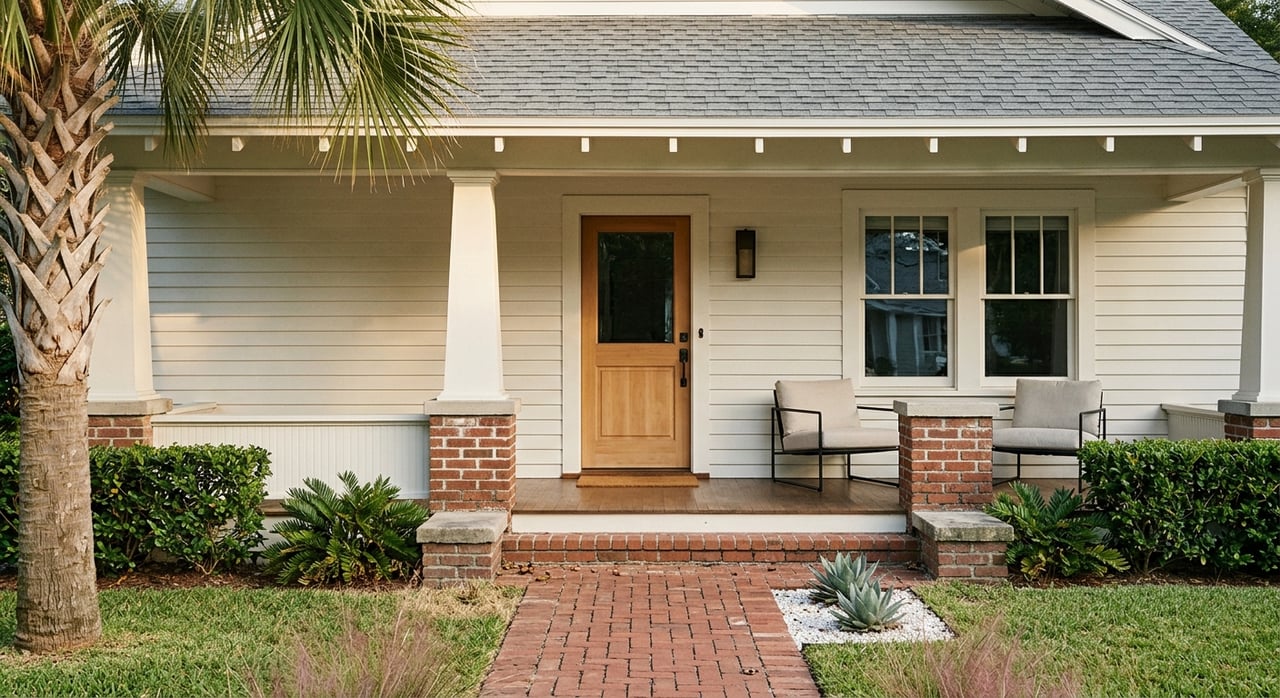
Historic homes in St. Petersburg often attract buyers who want character that feels hard to replicate. In areas like Historic Kenwood, the city tracks a strong concentration of older homes, including one of Florida’s largest collections of Craftsman-style bungalows.
Traditional Craftsman bungalows are often one or one-and-a-half stories with wide front porches, low-pitched roofs, and compact floor plans. They commonly include open living and dining spaces near the front, bedrooms farther back or upstairs, and details like built-ins, wood trim, hardwood floors, and fireplaces.
For many buyers, that appeal is emotional and practical at the same time. You may get a home with distinct architecture, a more established streetscape, and details that give the property a strong sense of identity.
Historic character you can feel daily
In St. Petersburg, historic appeal is not limited to the house itself. Features like brick streets and hexagon block sidewalks can add to the everyday experience of living in an older area.
That setting is often part of what buyers respond to when they say a neighborhood has charm. Still, it is important to remember that visual appeal on the surface does not always reflect the condition of the systems behind the walls.
What to watch for with older homes
Older homes often come with more maintenance and inspection questions simply because their systems have had more time to age. Common concerns can include outdated electrical service, worn plumbing, roof issues, moisture intrusion, and foundation movement.
A general home inspection is helpful, but it is typically a visual review and not technically exhaustive. If the inspection points to larger concerns, you may need additional specialists before moving forward.
Lead paint is a key issue
If you are considering a home built before 1978, lead-based paint should be part of your due diligence. The EPA states that older homes are more likely to contain lead-based paint, and federal law requires disclosure of known lead information before the sale or lease of most pre-1978 housing.
Buyers of most pre-1978 homes also have the right to a 10-day window to conduct a lead inspection or risk assessment before closing. If you plan to renovate and disturb painted surfaces, lead-safe practices matter.
Renovation can involve more local review
In St. Petersburg, renovation planning can get more layered when a property is in a locally or nationally designated historic district. The city’s permit guidance notes that these properties may not be exempt from permit requirements, and separate trade permits may still be needed.
If the property is also in a flood zone, substantial-improvement rules may apply, and the city may require cost breakdowns for work that might otherwise be exempt. In simple terms, older homes can require more planning before you make changes.
What newer homes offer
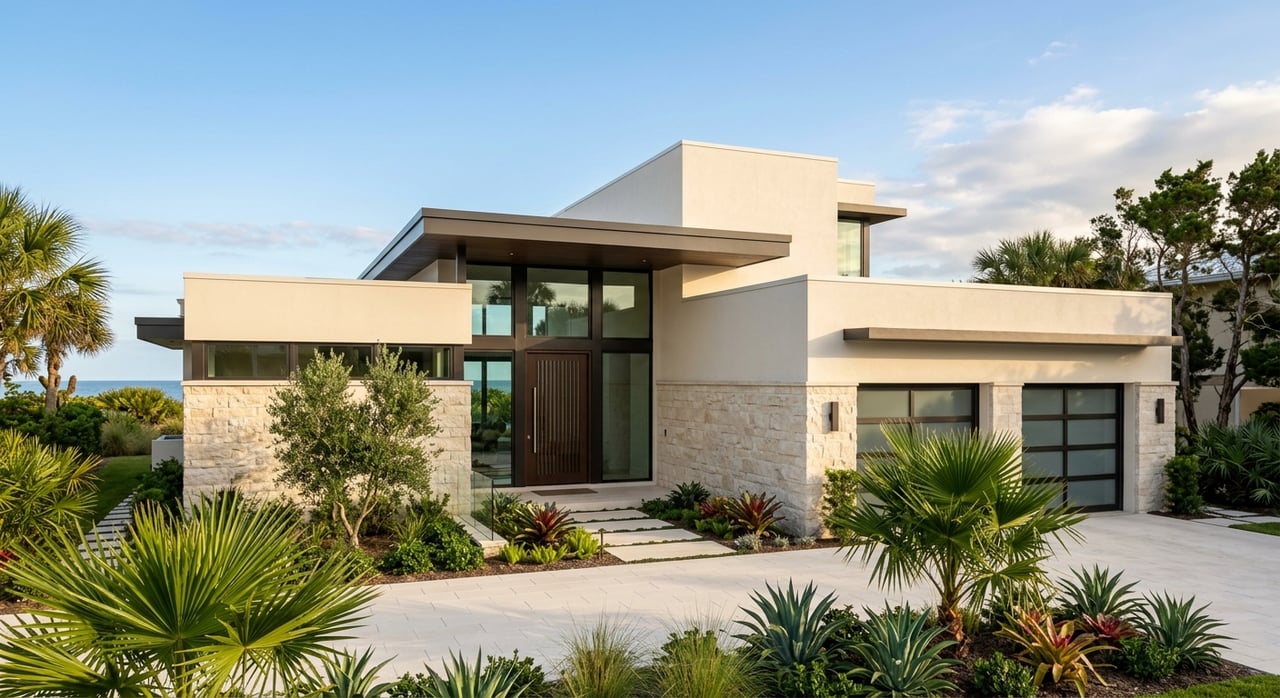
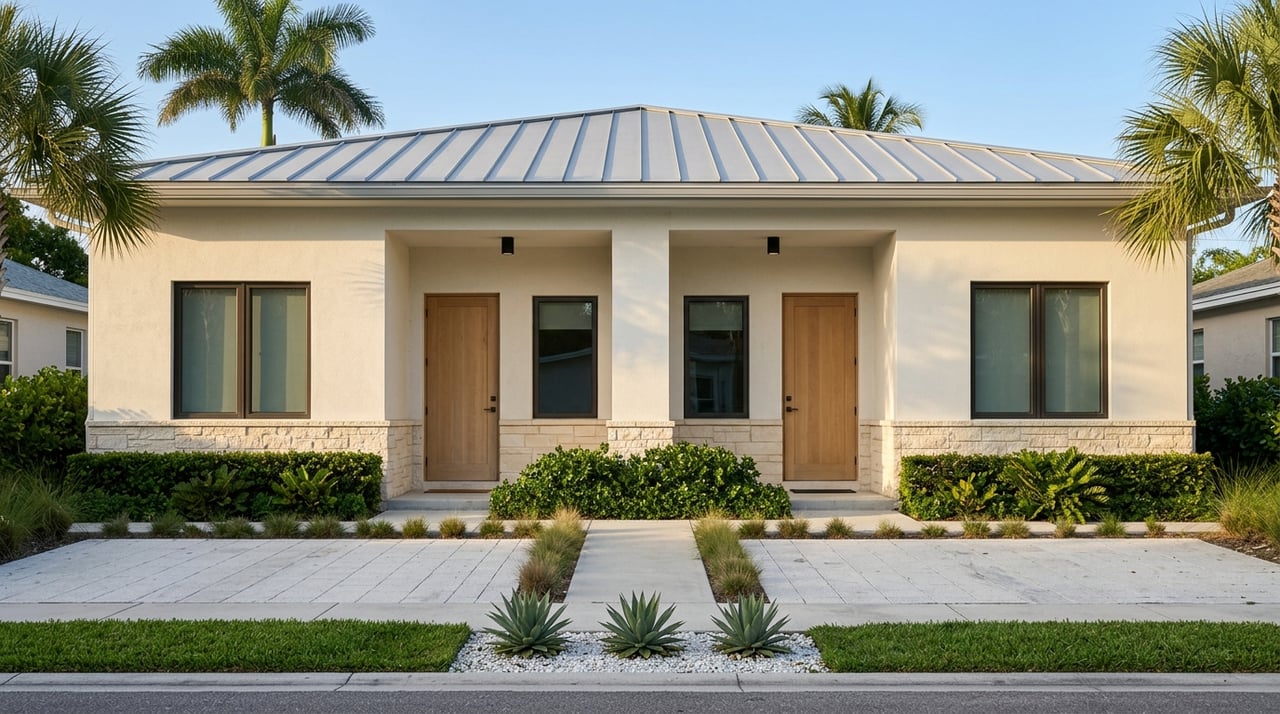
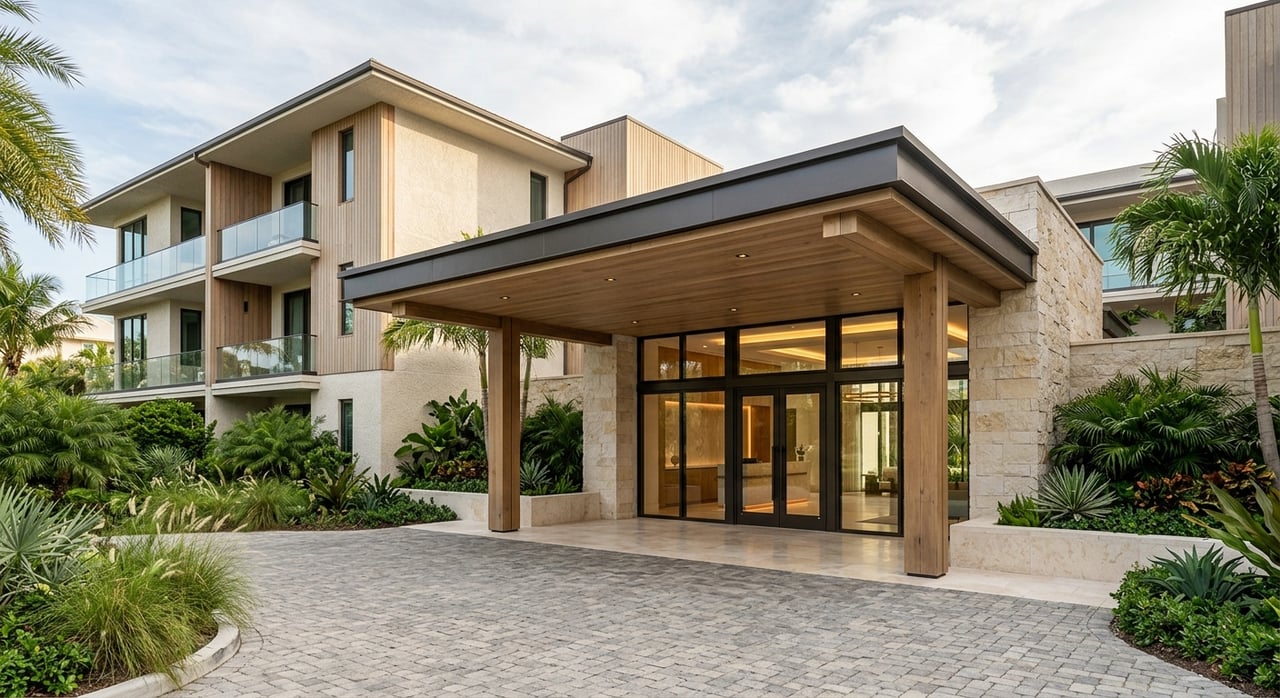
Newer construction often appeals to buyers who want a more turnkey experience. If you prefer fewer immediate projects and a home built under more recent standards, a newer property may feel like the easier fit.
Florida’s Building Commission updates the Florida Building Code every three years. The current statewide code is the 8th Edition, effective December 31, 2023, which means newer homes are generally built under more recent code requirements than most historic properties.
That does not mean a newer home is automatically worry-free. You still want to evaluate workmanship, drainage, and the property’s flood exposure before you buy.
New does not always mean lower risk
In St. Petersburg, location can matter just as much as the home’s age. A newer home in an area with flood or storm exposure may still require serious due diligence.
That is especially important in a coastal Florida market, where hurricane, wind, and flood planning remain part of smart home shopping. A home that looks move-in ready can still carry long-term costs tied to its site and condition.
Historic vs. new: the real tradeoff
The choice usually comes down to what matters most in your day-to-day life and long-term plans. Historic homes often deliver more personality and a stronger sense of place, while newer homes often deliver more convenience and fewer near-term projects.
Here is a simple way to compare them:
| Home Type | Typical Strengths | Common Tradeoffs |
|---|---|---|
| Historic home | Character, architectural detail, established streetscape, distinct identity | More inspection depth, more maintenance questions, added permit awareness, larger renovation budget |
| Newer home | More turnkey feel, more recent code-era construction, fewer immediate upgrades | Less architectural character, less neighborhood texture in some areas, still requires flood and workmanship review |
Questions to ask before you choose
Before you decide, it helps to narrow the choice to your lifestyle and budget realities. A beautiful historic home and a polished new build can both be great options, but for different reasons.
Ask yourself:
- Do you want original character and are you comfortable with maintenance uncertainty?
- Do you prefer a more predictable repair timeline and fewer immediate updates?
- Are you planning renovations after closing?
- Is the property in a historic district?
- Is the property in a flood zone or an area that needs added storm planning?
- Do you have room in your budget for inspections beyond a general home inspection?
Professionals worth involving
The right team can help you avoid expensive surprises. Depending on the property, it may make sense to bring in specialists before you close or before you start renovations.
General home inspector
A general home inspector can give you a visible-condition review of the property. This is a strong first step, but remember that the inspection is not technically exhaustive.
Structural engineer
If the inspection suggests settlement, foundation movement, or roof or framing concerns, a structural engineer may be worth adding to your due diligence team. This can be especially important with older homes.
Lead-safe certified renovator
For pre-1978 homes where paint may be disturbed, a lead-safe certified renovator is an important resource. This matters whether you are planning a major remodel or smaller repair work.
Licensed contractor
In Pinellas County, you can verify contractor credentials and insurance through PCCLB and MyFloridaLicense. The county notes that work valued at $1,000 or more generally must be done by a licensed contractor.
Historic preservation specialist
If you are planning exterior work in a historic district, a preservation-minded professional can help you understand what may be required. That can save time and help you plan your project more clearly.
How to decide in St. Petersburg
If you are drawn to porches, millwork, and established streetscapes, a historic home may be the right fit if you go in with clear eyes. You may need more patience during inspections, more permit awareness, and more flexibility in your renovation budget.
If you value a more streamlined purchase and fewer immediate projects, newer construction may be the better match. Just make sure you do not let the home’s age distract you from equally important factors like flood exposure, drainage, and build quality.
In St. Petersburg, the best choice is rarely just about whether a home is old or new. District status, location, flood considerations, and the quality of your inspection and contractor team can matter just as much.
If you want help comparing historic and newer homes in St. Petersburg, Stephen Meyer Jr. can help you weigh the tradeoffs and find the right fit for your goals.
FAQs
What makes a historic home in St. Petersburg different from a newer home?
- Historic homes often offer more architectural character, original details, and established streetscapes, while newer homes often offer a more turnkey feel and more recent code-era construction.
What should you inspect carefully in an older St. Petersburg home?
- Pay close attention to electrical, plumbing, roofing, moisture intrusion, and possible foundation movement, and be prepared to bring in specialists if a general inspection raises concerns.
What should you know about lead paint in pre-1978 homes?
- Most buyers of pre-1978 homes have a 10-day window to conduct a lead inspection or risk assessment before closing, and any renovation that disturbs paint should follow lead-safe practices.
What should you know about permits in St. Petersburg historic districts?
- Properties in locally or nationally designated historic districts may not be exempt from permit requirements, and separate trade permits may still be needed for certain work.
Are newer homes in St. Petersburg always the safer choice?
- Not necessarily. Newer homes may reduce the odds of near-term code-related upgrades, but buyers still need to review workmanship, drainage, and flood exposure carefully.