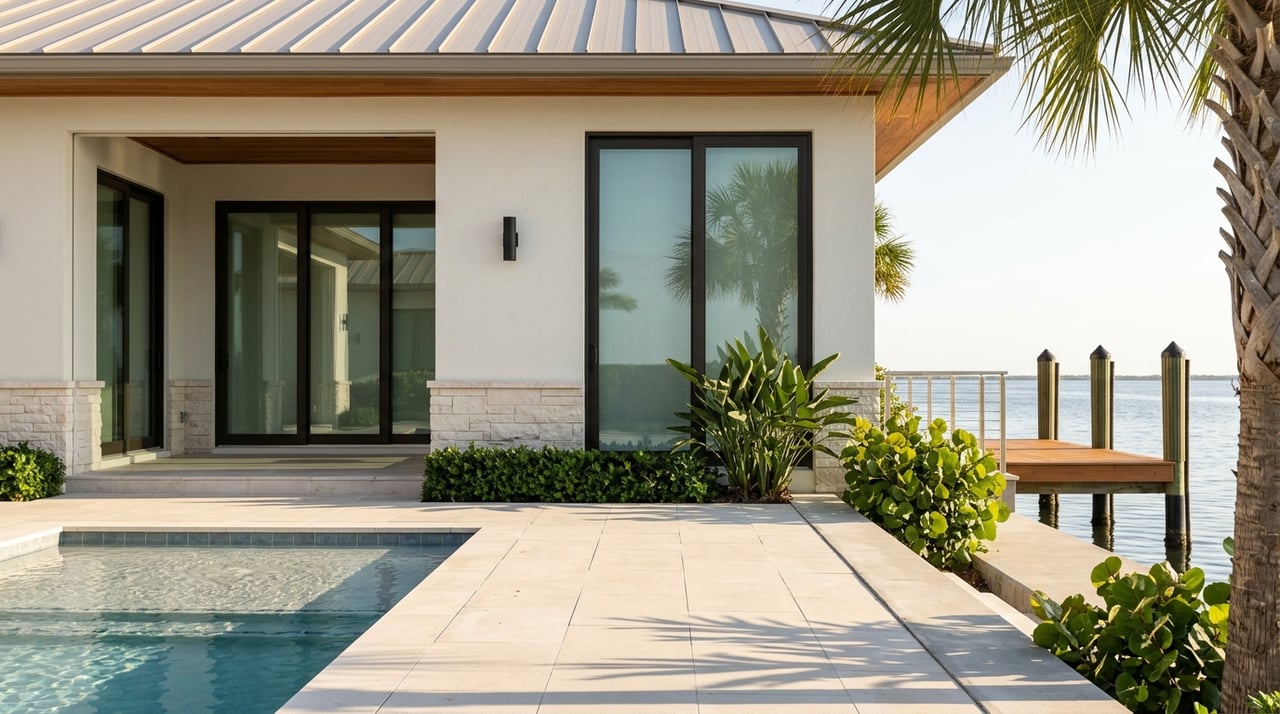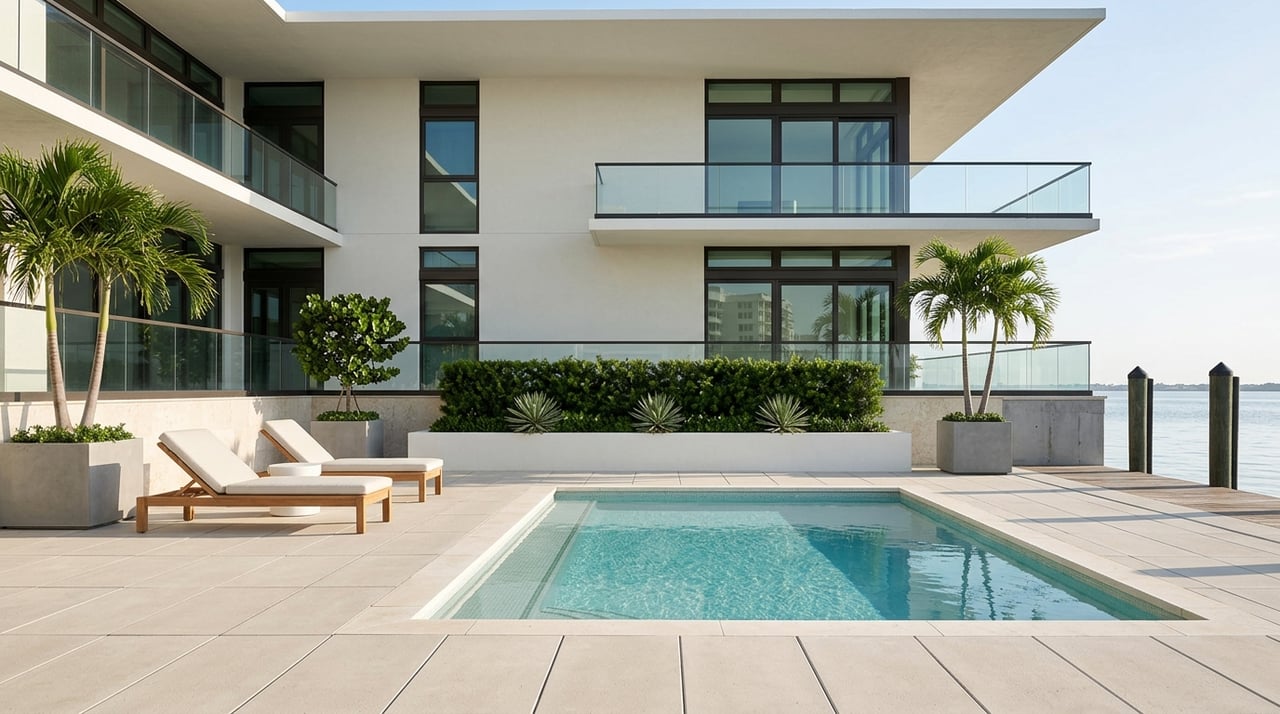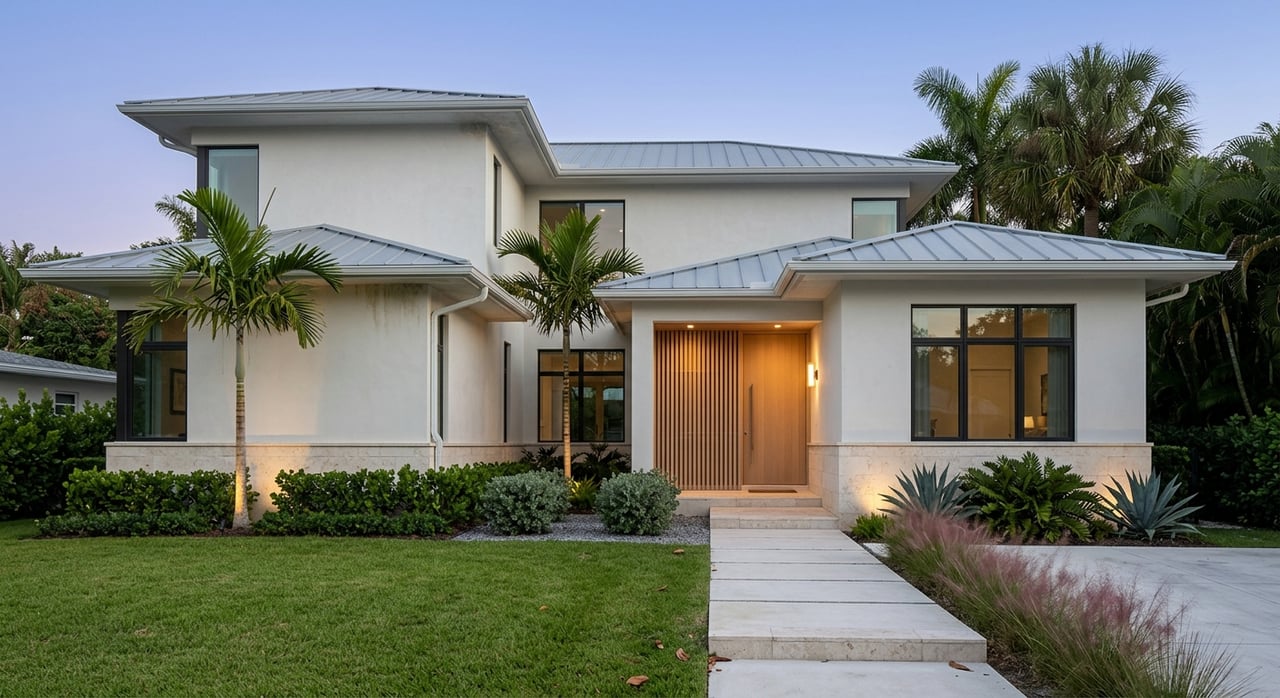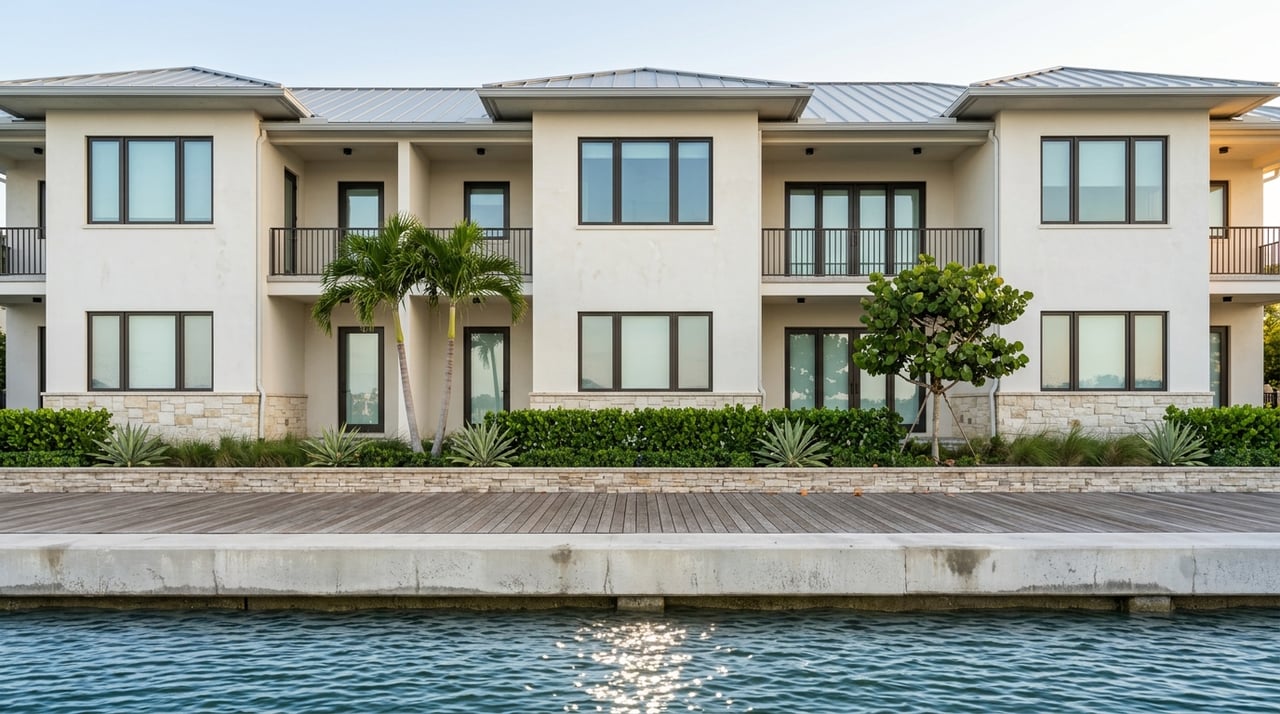
Dreaming about waking up to bay views in St. Petersburg? You are not alone, but waterfront living here is more varied than many buyers expect. From downtown condos near the Pier to marina-adjacent residences and quieter bayfront neighborhoods, the right fit depends on how you want to live day to day. This guide will help you understand what St. Petersburg waterfront living really looks like, what areas buyers often consider, and what practical checks matter before you buy. Let’s dive in.
What Waterfront Living Means in St. Petersburg
Waterfront living in St. Petersburg is not just one beach road or one stretch of shoreline. The city’s Downtown Waterfront Master Plan covers nearly seven linear miles, from Northeast Exchange Club Coffee Pot Park to Lassing Park. That planning framework helps explain why waterfront options here can range from high-rise condo living downtown to more residential bayfront settings.
The city also identifies the municipal marina as an anchor of the Waterfront District. In real life, that means your waterfront lifestyle may center on walkability, boating access, public parks, skyline views, or a mix of all four. It is less about one single scene and more about choosing the waterfront experience that fits your routine.
Why Buyers Are Drawn to the Waterfront
A big reason buyers look here is the sheer scale of the shoreline. St. Petersburg Police reports marine police services cover 244 linear miles of shoreline, which shows how broad the city’s waterfront footprint really is. You are not limited to one type of property or one type of setting.
Another draw is how much public space is built into the waterfront experience. The St. Pete Pier is a 26-acre public destination designed for strolling, biking, dining, shopping, swimming, and concerts. Along the downtown waterfront, you also have a chain of parks and public spaces that shape daily life near the water.
For many buyers, that mix is the appeal. You may want water views, but you may also want easy access to green space, museums, events, and transportation. In St. Petersburg, those pieces often come together in a way that feels connected rather than isolated.
Waterfront Areas Buyers Often Explore
A practical way to think about the waterfront market is by geography. Official police district neighborhood lists give a useful map of where waterfront-minded buyers tend to focus their search. Each area offers a different balance of access, pace, and proximity to downtown amenities.
Downtown and Central Waterfront
Downtown and the central waterfront are often the most walkable and activity-filled parts of the city. The Pier, Beach Drive, museums, parks, and transit stops are close together, which can make daily life feel convenient and social. If you picture a condo lifestyle with easy access to restaurants, events, and the bayfront, this is usually where that conversation starts.
This area can appeal to buyers who want less driving and more access. Instead of relying on a car for every outing, you may be able to build your week around walking, biking, or using local transit. For some buyers, that convenience is just as valuable as the view itself.
Northeast Bayfront Areas
Official District 2 neighborhood lists include Downtown, Historic Old NE, Shore Acres, Snell Isle, and Riviera Bay. These areas generally read as more residential and bay-oriented than the downtown core. You may still be close to the waterfront, but the daily rhythm often feels less centered on events and more centered on home and neighborhood surroundings.
For buyers who want waterfront access with a more residential setting, the northeast bayfront often stands out. The tradeoff can be less immediate proximity to downtown attractions compared with central waterfront living. In return, some buyers prefer the quieter feel and more neighborhood-based pattern of use.
South Peninsula and Southeast Bayfront
Official District 1 neighborhood lists include Bayway Isles, Broadwater, Coquina Key, Old Southeast, Point Brittany, and Maximo. These areas tend to feel more boating-facing and more spread out. If your waterfront goals include marina access, open water orientation, or a less concentrated urban setting, these neighborhoods often enter the search.
This part of the market can attract buyers who prioritize the water itself over a downtown address. Depending on the property, you may find a lifestyle that feels more tied to boating routes, wider bay exposure, or residential waterfront patterns. It is a different kind of waterfront experience, and for the right buyer, it can be the right one.
West-Side Coastal Pockets
Official District 3 neighborhood lists include Jungle Prada and Causeway Isles. These west-side pockets tend to feel more neighborhood-oriented and less tied to the downtown core. Buyers who want a waterfront setting without centering their lifestyle around downtown often consider these areas.
That can be a plus if you value a more local, residential feel. It can also mean your search priorities shift from walkability and events to home layout, water access, and day-to-day convenience. The best fit depends on what waterfront living means to you personally.
Daily Life Near the Water
One of the biggest surprises for out-of-area buyers is how active and connected waterfront life can feel in St. Petersburg. This is not only about views from your balcony or backyard. It is also about how parks, cultural stops, transportation, and public gathering spaces shape your week.
The Downtown Looper runs every 15 to 20 minutes, seven days a week, and is free. Stops include the Pier, Vinoy Resort, Museum of Fine Arts and Beach Drive, BayWalk, USF St. Petersburg, the Dali Museum, and Cross Bay Ferry at Port St. Pete. The free Central Avenue Trolley also runs between Grand Central Station and the St. Pete Pier.
For buyers who want an easy, flexible routine, those transit options matter. They support a waterfront lifestyle that feels accessible and active, especially in the downtown core. If you are comparing neighborhoods, this is one of the details that can change how a property feels beyond the listing photos.
The Marina Factor
For some buyers, waterfront living is not complete without boating access. St. Petersburg’s municipal marina sits next to the Pier and currently includes 640 permanent wet slips, a 500-foot transient dock, a public boat launch, fuel, hookups, showers, laundry, and snack services. That makes it a meaningful part of the waterfront ecosystem, not just an extra amenity.
The city expects marina redevelopment to begin in 2028 and open in 2031. If you are looking at marina-adjacent property, that future investment is useful context. It signals that waterfront ownership here exists alongside ongoing public planning and infrastructure updates.
Practical Checks Before You Buy
Waterfront homes can be exciting, but they require a more practical level of due diligence. In Pinellas County, everyone is at risk for flooding, and flood zones are not the same as evacuation zones. That distinction matters because it affects both planning and ownership costs.
Pinellas County says evacuation zones run from A through E plus non-evacuation areas. The county also notes that most homeowners insurance policies do not cover flood damage. Flood insurance is mandatory for federally backed mortgages in Special Flood Hazard Areas such as Zones V, VE, A, and AE.
Before you move forward on a waterfront property, start with these checks:
- Confirm the property’s flood zone by address
- Confirm the property’s evacuation zone by address
- Review storm surge exposure using county mapping tools
- Ask about current insurance requirements and costs
- Consider your comfort level with evacuation planning
- Look at the surrounding shoreline and infrastructure context
These are not small details. They are part of buying wisely in a waterfront market. A beautiful view and a practical ownership plan should go together.
Waterfront Resilience Matters
It also helps to understand how the city and county are thinking about shoreline management. St. Petersburg and Tampa Bay Watch launched a living shoreline project at Lassing Park to stabilize about 700 feet of eroding shoreline. Projects like that reflect the reality that waterfront living includes long-term stewardship as well as lifestyle appeal.
For buyers, this is helpful perspective. You are not only evaluating the home itself, but also the condition and future direction of the surrounding waterfront environment. Public investment can be an important part of how an area functions over time.
How to Choose the Right Waterfront Fit
The best waterfront home is not always the one with the most dramatic view. Often, it is the one that matches how you want to spend your time. Some buyers want a lock-and-leave condo near downtown activity, while others want a more residential bayfront setting or easier boating access.
As you narrow your search, it helps to weigh a few core questions:
- Do you want walkability or more separation from the downtown core?
- Is boating access a major priority or just a nice bonus?
- Would you rather be near parks and events or in a quieter residential setting?
- How comfortable are you with flood and evacuation exposure?
- Do you want a condo lifestyle, townhome-style option, or a single-family waterfront home?
When you think about waterfront living as a spectrum, the search gets clearer. Instead of chasing a generic idea of living on the water, you can focus on the version of St. Petersburg that fits your goals best.
If you are exploring waterfront living in St. Petersburg, working with a local guide can help you compare lifestyle, location, and practical ownership factors with more confidence. When you are ready to start your search, connect with Stephen Meyer Jr..
FAQs
What counts as waterfront living in St. Petersburg?
- Waterfront living in St. Petersburg can include downtown condos near the bay, marina-adjacent residences, bayfront townhome-style homes, and residential waterfront neighborhoods across several parts of the city.
Which St. Petersburg waterfront area feels most walkable?
- Downtown and the central waterfront are generally the most walkable and activity-focused, with the Pier, Beach Drive, museums, parks, and transit stops close together.
Which St. Petersburg neighborhoods are often considered for residential bayfront living?
- Buyers often look at areas listed by the city’s police districts such as Historic Old NE, Snell Isle, Shore Acres, Riviera Bay, Bayway Isles, Coquina Key, Old Southeast, Point Brittany, Maximo, Jungle Prada, and Causeway Isles.
What should waterfront buyers check first in Pinellas County?
- The first checks should be the property’s flood zone and evacuation zone by address, followed by a review of storm surge exposure and insurance needs.
Does homeowners insurance cover flood damage on St. Petersburg waterfront homes?
- Pinellas County says most homeowners insurance policies do not cover flood damage, so buyers should review flood insurance requirements and costs carefully.
Is there public transit near downtown St. Petersburg waterfront areas?
- Yes, the free Downtown Looper and the free Central Avenue Trolley serve key downtown waterfront stops, including the Pier and other major destinations.