Thinking about buying a Tampa duplex to build rental income or house-hack your way into real estate? You are not alone. Tampa’s mix of steady renter demand, approachable price points, and diverse neighborhoods makes it a smart place to start. In this guide, you will learn where to look, how to run the numbers, what loans to consider, and the local rules that affect your bottom line. Let’s dive in.
Why Tampa duplexes make sense
Tampa’s price point is approachable for first-time investors. Zillow’s citywide home value index was about $366,600 as of late January 2026, which sets a useful context for entry pricing on small multifamily.
Rents are solid. As of February 2026, the average asking rent in Tampa is about $2,012 per month, according to RentCafe. That gives you a quick check on income potential when you underwrite units in different neighborhoods.
Returns are realistic. Recent market commentary places small multifamily cap rates broadly in the mid single digits, often around 5 to 6 percent for stable assets, with higher potential on value-add deals. That range aligns with what many duplex buyers in Tampa see on day one.
Where to find duplexes in Tampa
Duplex inventory tends to cluster in older, close-in areas and near the university. Here are practical places to start your search:
Seminole Heights and Old Seminole Heights
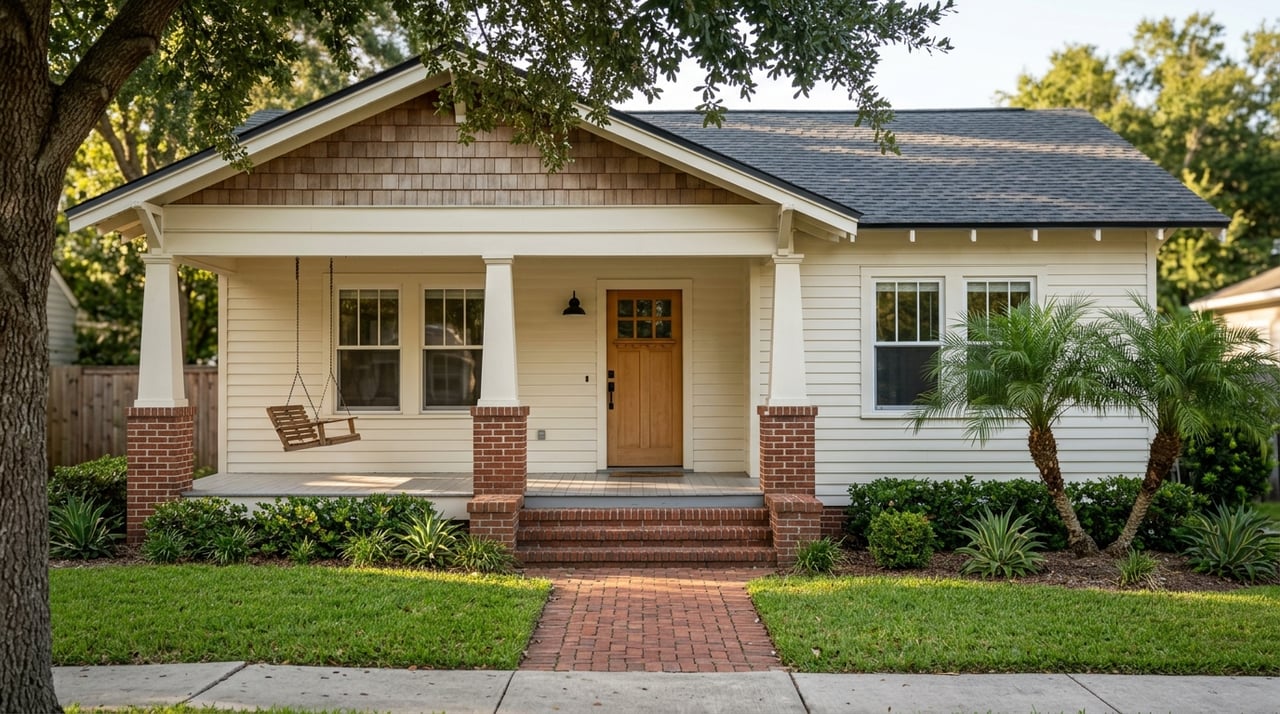
You will find many bungalow-era duplexes and garage apartments. Pricing often lands under $500,000 when not fully renovated, with a range of value-add opportunities.
Tampa Heights and North Hyde Park
Close to downtown with higher rents and strong demand. Prices can be firmer, yet renovated units tend to lease fast when well presented.
Ybor City, West Tampa, and East Tampa
Older multifamily stock shows up here, including duplexes and triplex conversions. These areas can offer intermittent value-add plays and closer-in locations.
University Area and North Tampa (USF corridor)
Steady student and young-renter demand supports smaller duplexes and multi-unit houses. Be precise with underwriting and confirm rent comps block by block.
For current availability, ask your agent to set up an MLS search with a 2 to 4 unit filter so you see new listings the day they hit the market.
Run the numbers on a duplex
A simple framework helps you spot solid deals fast.
Use this real listing example. A fully occupied Tampa duplex was listed around $333,000 with combined monthly rent of $2,786. That equals $33,432 in annual gross scheduled rent.
- Gross Rent Multiplier (GRM) = Price divided by annual gross rent. $333,000 divided by $33,432 is about 9.96. Lower GRMs often point to stronger cash flow, although condition and expenses matter.
- Vacancy: Underwrite 5 to 8 percent for a well-marketed duplex in Tampa. For a starter model, 7 percent is a fair plug.
- Operating expenses: Use 35 to 40 percent of effective gross income as a quick screening range. Always refine with actual quotes.
- Reserves and capital: Budget $300 to $600 per unit per year for long-term items like roofs, HVAC, and systems.
Using conservative assumptions from the example above, the pro forma lands near an NOI of about $18,600 and a cap rate around 5.6 percent. That is typical for many Tampa duplexes that are not heavy value-add. Your actual cash flow after financing will depend on your down payment, rate, insurance, and taxes.
Tip: For a conservative rent check, compare asking rents with HUD’s metro Fair Market Rent for a 2-bedroom, which sits near the high $1,900s for 2026, and cross-reference with your neighborhood rent comps.
Financing options for first-timers
You have several paths to finance a 2 to 4 unit purchase in Tampa. The best choice depends on whether you plan to live in one unit or operate as a full investor.
- FHA for house-hackers: FHA financing can allow 3.5 percent down on 2 to 4 unit homes when you occupy one unit and meet program rules and county loan limits. Verify Hillsborough County limits and lender overlays before you write offers.
- Conventional owner-occupied: Fannie and Freddie conventional programs can allow lower down payments when you live in one unit. If you do not plan to occupy, expect larger down payments, often 20 to 25 percent or more.
- DSCR and investor loans: Many Tampa duplex buyers use DSCR or other non-QM programs that qualify the loan primarily on property income. Typical DSCR targets are around 1.0 to 1.25, with rates and maximum LTV varying by lender.
Practical next step: Get prequalified with a lender who knows 2 to 4 unit deals, and ask for the exact LTV, rate estimate, reserve requirements, and DSCR threshold in writing.
Local rules and costs to know
Solid underwriting in Tampa includes a careful look at laws, licensing, insurance, taxes, and property condition.
- Landlord-tenant law: Florida residential tenancies are governed by Florida Statutes Chapter 83. Use it as your guide on deposits, notices, access, and basic timelines.
- Licensing and taxes: Long-term rentals may require a local Business Tax Receipt from the city or county. Short-term rentals have additional state registration and tourist tax obligations. Always confirm with local authorities before you buy.
- Insurance: Florida property insurance has been volatile, and premiums can materially impact cash flow. Get quotes early, including wind and flood if required.
- Property taxes: Tampa and Hillsborough County bills combine county, city, school, and special-district millages. A simple rule of thumb is near 1 percent of assessed value for many parcels, but always check the parcel’s TRIM notice and current bill.
- Code, inspections, and flood risk: Older duplexes often need roof, HVAC, or electrical updates. Order a thorough inspection and verify the FEMA flood zone so you can price insurance accurately.
Source deals and do smart due diligence
Where to look:
- MLS searches through your agent
- Local investor groups and meetups
- Off-market wholesalers, plus courthouse or foreclosure auctions
- Brokers who specialize in 2 to 4 unit inventory
A quick due diligence checklist:
- Confirm current rents and leases, including security deposits and lease terms.
- Pull the last 12 months of utilities and expenses to gauge the run rate.
- Order inspections for structure, roof, HVAC, plumbing, electric, pests, and mold.
- Verify the property’s TRIM notice and understand the likely tax bill.
- Get insurance quotes for property, wind, and flood if applicable.
- Confirm zoning, HOA, or deed restrictions, and short-term rental rules if that is your plan.
- Speak with local property managers for rent comps and maintenance expectations.
- Build your pro forma: start with gross rent, subtract vacancy to get effective income, subtract operating expenses and reserves to get NOI, then apply your loan terms to assess DSCR and cash-on-cash.
Set your year-one plan
Decide if you will house-hack or operate fully as an investor. If you plan to live in one unit, target properties with livable condition and in-place tenants on the other side to offset your payment. If you plan a pure investment, focus on solid bones and clear value-add paths, such as light renovations, utility separations, or better unit mix. In both cases, protect your downside by locking in insurance quotes, validating taxes, and keeping adequate reserves.
Ready to explore?
If you want a clear plan to find, analyze, and negotiate the right Tampa duplex, let’s talk. With local market insight and a practical, investor-friendly approach, you will get straight answers and a step-by-step path from search to closing to leasing. Start your search with a quick consult with Stephen Meyer Jr..
FAQs
Can I buy a Tampa duplex with 3.5 percent down?
- Yes. FHA can allow 3.5 percent down on 2 to 4 unit properties when you occupy one unit and meet program rules and the Hillsborough County loan limit. Verify limits and lender overlays before you shop.
What cap rates should I expect in Tampa?
- For small multifamily in Tampa, many stable trades fall in the mid single digits, often around 5 to 6 percent. Value-add or lower-price submarkets can show higher caps with higher risk.
Where do duplexes tend to cash flow best in Tampa?
- Starter-friendly areas like Seminole Heights and the USF corridor often work for owner-occupants or value-add plays. Accurate underwriting still relies on block-by-block rent comps and realistic expenses.
How do I estimate fair rent for underwriting?
- Cross-check neighborhood comps with the metro’s average asking rent and HUD-style benchmarks for 2-bedroom units. Use conservative figures during screening, then refine with local property manager input.